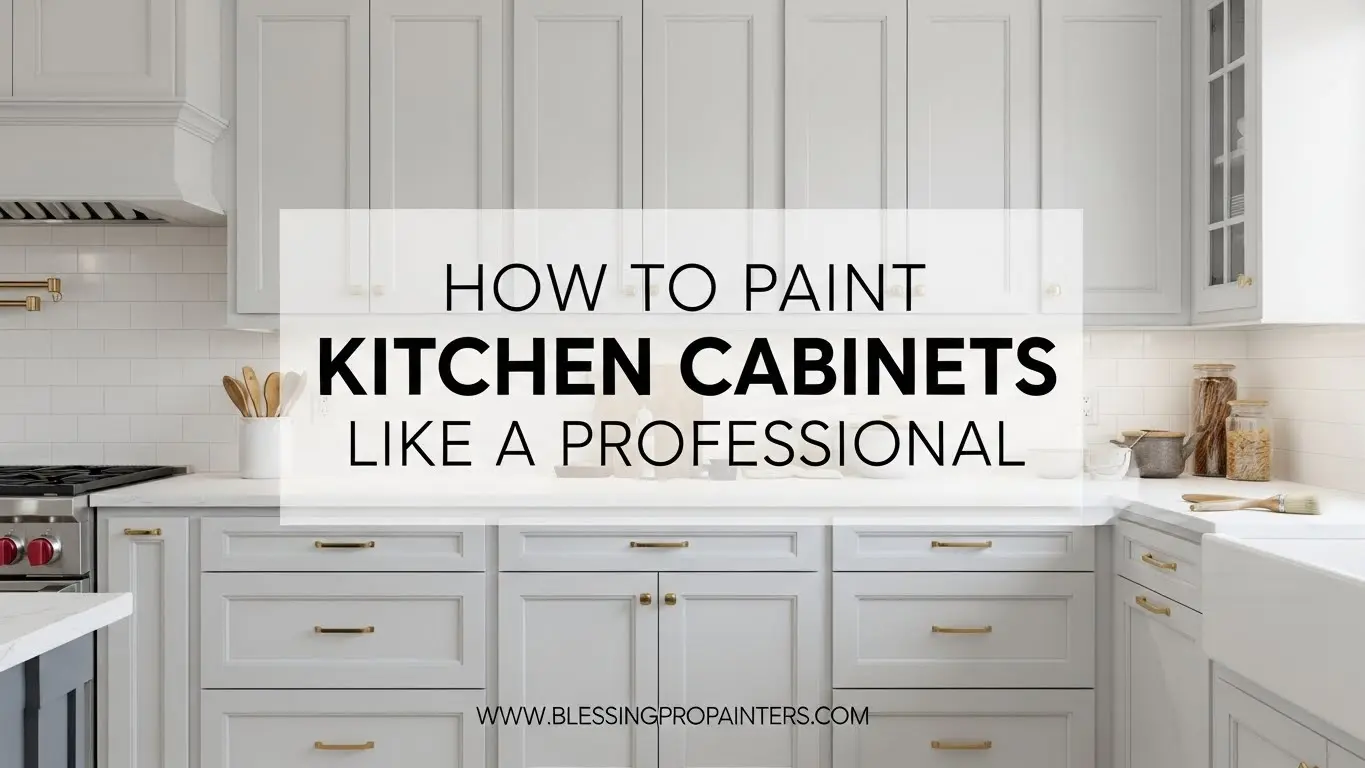
Ready to breathe new life into your kitchen? Painting kitchen cabinets can instantly elevate the style and feel of the space. It’s not just about applying a fresh coat of paint; it’s about mastering techniques that will give you a professional finish without the hefty price tag. Whether you’re interested in a classic white look or a bold blue hue, this comprehensive guide will show you how to undertake this project with the confidence of a seasoned pro.
Understanding Your Project
Before diving into the paint, it’s vital to understand what this project entails. Painting kitchen cabinets isn’t simply about splashing paint on the surface; it requires careful consideration of materials, tools, and techniques for optimal results. To start, we need to gather some essential supplies and prepare your workspace effectively.
Supplies Needed for Painting Kitchen Cabinets
To achieve a flawless finish, ensure you have the following supplies ready:
- Quality primer
- Durable paint (preferably semi-gloss or satin finish)
- Sandpaper (120 and 220 grit)
- Paintbrushes (angled and flat)
- Foam rollers
- Drop cloths
- Painter’s tape
- Cleaning solution (degreaser)
- Safety glasses and mask
Preparation: The Key to Success
Preparation is crucial when it comes to painting kitchen cabinets. Not only does a well-prepared surface enhance adhesion, but it also ensures a smoother finish.
1. Remove Hardware and Doors
Start by taking off all cabinet doors, drawers, and hardware. Label each piece or take photos to ensure reassembly is a breeze. Store them safely to avoid misplacing any items.
2. Clean Thoroughly
Kitchen cabinets can accumulate grease and grime over time. Use a degreasing solution to clean all surfaces. This ensures that dirt does not interfere with paint adhesion.
3. Sanding the Surfaces
Next, lightly sand the cabinet surfaces using 120-grit sandpaper, followed by 220-grit. This process helps to create a “key” for the primer, allowing it to adhere better and providing a smooth surface.
Tip: Vacuum and Wipe Down
After sanding, remember to vacuum any dust and wipe down the surfaces with a damp cloth. Dust particles can ruin an otherwise perfect finish.
Priming the Cabinets
Now that your surfaces are prepped, it’s time to apply a primer. A high-quality primer is essential to prevent stains from bleeding through and to provide a uniform surface for painting.
Choosing the Right Primer
Select a primer designed for cabinetry. This will enhance adhesion and help prevent future chipping. Apply it with a foam roller for flat surfaces and a brush for detailed areas.
Application Process
Follow these steps for applying primer:
- Use painter’s tape to protect edges and areas not being primed.
- Apply a thin coat using your brush and roller.
- Allow the primer to dry completely (refer to the manufacturer’s instructions).
- Lightly sand the primed surfaces with 220-grit sandpaper for a smooth finish.
- Vacuum or wipe off dust before painting.
Painting the Cabinets
With the primer in place, you can start painting your cabinets. The choice of paint is crucial for durability and ease of cleaning.
Selecting the Right Paint
Opt for a high-quality acrylic paint specifically designed for cabinetry. Semi-gloss or satin finishes are often recommended as they can withstand frequent cleaning without losing their luster.
Step-by-Step Painting Process
To achieve that coveted professional finish, follow these steps:
- Apply the first coat of paint using a foam roller for large areas and a brush for details.
- Let the first coat dry fully (check the label for specific drying times).
- Lightly sand the first coat for improved adhesion of the next layer.
- Wipe down the cabinet surfaces with a damp cloth to remove dust.
- Apply additional coats as needed, allowing each layer to dry completely.
Finishing Touches
Once you’ve achieved the desired color with your paint, it’s time for the final touches.
Reattaching Hardware and Doors
Carefully reattach the hardware and doors using the labels or photos as a reference. To ensure everything aligns correctly, take your time at this stage.
Final Inspection
Conduct a thorough inspection of your work. Look for missed spots, uneven sections, or paint drips. If you find any imperfections, address them with touch-up paint.
Optimal Maintenance for Painted Cabinets
<pCongratulations! You’ve mastered the art of painting kitchen cabinets like a professional. Now, let’s ensure your hard work lasts. Regular maintenance can significantly prolong the life of your freshly painted cabinets.
Simple Maintenance Tips
- Use a damp cloth for everyday cleaning.
- Avoid harsh chemicals that can degrade the paint.
- Address any scratches or chips promptly with touch-up paint.
- Consider conditioning the finish with a wax if desired.
Why Choose Professional Help?
While DIY is satisfying, sometimes it’s worth considering professional help for painting kitchen cabinets. Professionals possess the experience and techniques to achieve a flawless finish. They also save time and reduce the potential for errors that could cost you more in the long run.
If you’re in North Wilkesboro and the surrounding communities, our team is here for you. We pride ourselves on delivering high-quality painting services that will transform your kitchen. Trust us to handle the hard work while you enjoy a beautiful, refreshed space. For expert assistance, check out our services.
Conclusion
Painting kitchen cabinets can be a rewarding and transformative project. With patience and the right techniques, you can achieve a professional-looking finish that adds beauty and value to your home. Whether you’re going for a trendy color or a classic vibe, following these expert steps will guide you to success. Embrace the change and enjoy the stunning results of your hard work in your newly painted kitchen.
For those looking for a hassle-free experience, don’t hesitate to reach out to us at Blessing Pro Painters. Enjoy a stunning kitchen without the stress!