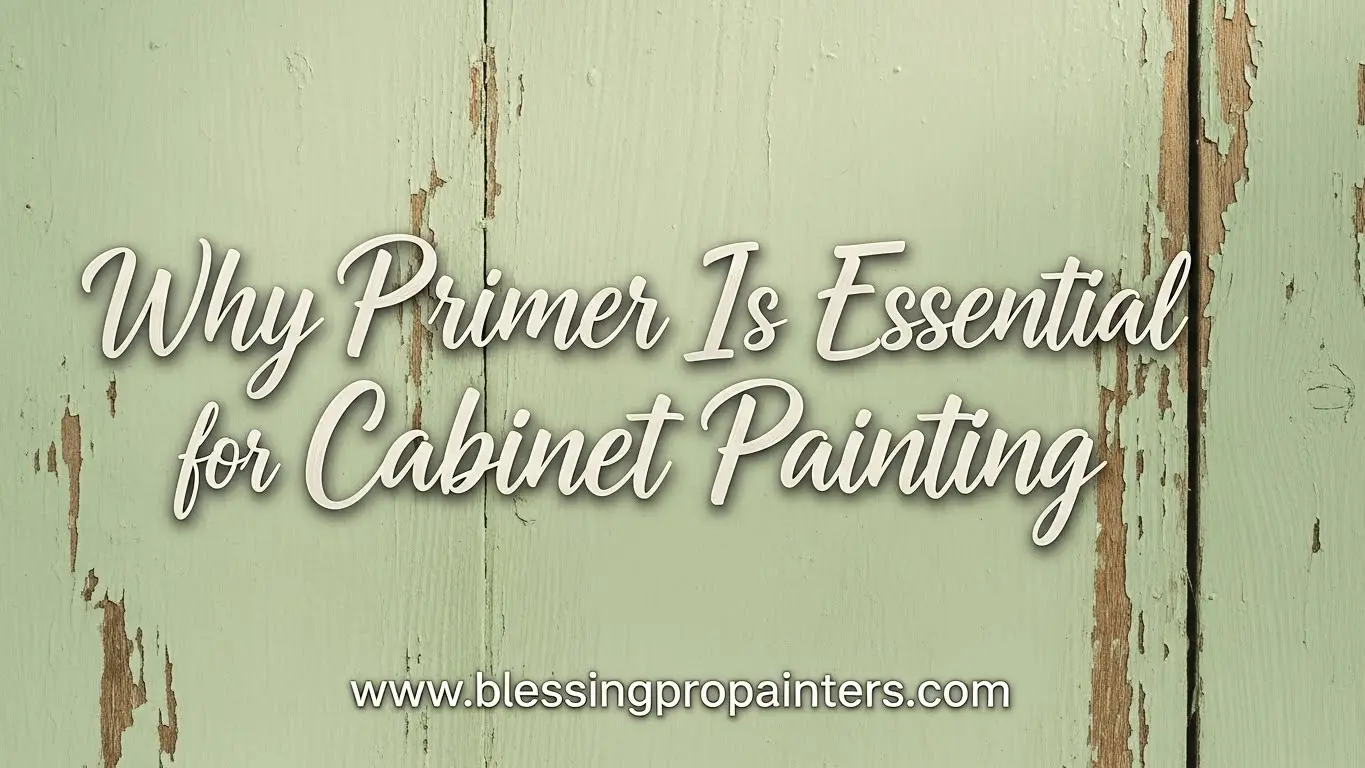
Cabinet painting can transform a kitchen or bathroom, giving it a fresh and modern look. However, achieving that flawless finish requires more than just your favorite color. One of the most critical steps that often gets overlooked is the use of primer. Why is primer indispensable for cabinet painting? Let’s unveil the layers of this essential component, focusing on its benefits, application techniques, and how it elevates your overall painting project.
The Role of Primer in Cabinet Painting
Primer serves as the foundation for your paint. Its primary role is to create a uniform surface that allows paint to adhere effectively. Unlike regular paint, which is designed for finishing, primer has properties that prepare surfaces for better paint bonding. Here’s why this is crucial:
- Improved Adhesion: Primer enhances the grip of paint on the cabinet surface, significantly reducing the risk of peeling and chipping.
- Sealing Troubled Surfaces: It seals porous materials like raw wood or previously painted surfaces to prevent uneven absorption.
- Even Color Application: Primer provides a consistent base color, especially when applying lighter shades over darker ones.
Types of Primer Suitable for Cabinets
When choosing a primer, the material of your cabinets plays a critical role. Below are common types of primers suitable for cabinet painting:
1. Oil-Based Primers
Oil-based primers are excellent for sealing knots and grains in wood. They offer exceptional adhesion and are perfect for high-traffic areas. However, cleanup requires solvents, making them a bit less convenient.
2. Water-Based Primers
Water-based primers dry faster and are easier to clean up. They are ideal for MDF and laminate cabinets, providing excellent adhesion without the harsh fumes of oil-based counterparts.
3. Shellac Primers
Shellac primers are known for their superior stain-blocking capabilities. They are suitable for covering old stains and odors but have a strong ammonia odor, requiring adequate ventilation during application.
Steps to Properly Apply Primer
Applying primer may seem straightforward, but a systematic approach will yield the best results. Follow these steps:
1. Preparation of the Surface
Start by removing all hardware, doors, and drawers from the cabinets. Clean surfaces thoroughly to eliminate grease and grime. Sanding lightly can also enhance adhesion.
2. Choosing Your Primer
Select a primer that aligns with your cabinet material and desired finish. For a professional result, consider using a primer specifically designed for cabinets.
3. Application of Primer
Using a high-quality brush or roller, apply a thin, even layer of primer. Focus on corners and crevices where paint tends to pool. Aim for full coverage without excess buildup.
4. Drying Time
A good primer typically requires a drying time of 1-4 hours, depending on the type. Consult the manufacturer’s instructions for specific times.
5. Sanding Before Painting
After the primer has dried, lightly sand the surface with fine-grit sandpaper. This step ensures a smooth finish, allowing your topcoat to glide on effortlessly.
The Benefits of Using Primer
Investing time in primer application pays off big in the long run. Here are the main advantages:
1. Enhanced Durability
Primer strengthens the bond between the cabinet material and the paint, making surfaces more resistant to wear and tear.
2. Reduced Paint Absorption
By sealing the surface, primer minimizes the amount of paint absorbed, saving you money on materials and reducing the number of coats needed.
3. Prevents Staining
Using the right primer can effectively prevent stains from bleeding through, especially on older cabinets. This results in a cleaner, more polished look.
4. Aesthetic Appeal
Ultimately, primer helps achieve a beautifully finished cabinet look, whether you’re aiming for a matte, satin, or glossy finish.
How to Choose the Right Primer for Your Project
Selecting the appropriate primer can seem daunting, but here’s a simplified approach:
| Cabinet Material | Recommended Primer |
|---|---|
| Wood (Untreated) | Oil-Based Primer |
| Laminate | Water-Based Primer |
| MDF | Water-Based Primer |
| Old Painted Surfaces | Shellac Primer |
Common Myths About Primer
Despite the clear benefits, several misconceptions linger about primer. Addressing these myths can shed light on its true importance:
Myth 1: Primer Is Optional
Many DIYers believe primer can be skipped, especially when using high-quality paint. However, for a durable, long-lasting finish, primer is essential.
Myth 2: Any Primer Will Do
Using just any primer is a frequent mistake. Selecting the right type based on cabinet material is crucial for optimal results.
Myth 3: Primer Makes Surfaces Glossy
While some primers may have a sheen, most are designed to be painted over. They should not be a substitute for your final coat.
Conclusion
When it comes to cabinet painting, the importance of primer cannot be overstated. From improving adhesion and ensuring even color application to enhancing durability, primer lays the groundwork for a stunning finish. Don’t overlook this key component in your painting project; it’s an investment in the beauty and longevity of your cabinets. For those residing in North Wilkesboro and surrounding communities, partnering with professionals ensures a seamless experience. Discover how quality painting services can elevate your interior by visiting Blessing Pro Painters.
Ready to transform your cabinets? Primer is the best place to start! Get in touch with us at Blessing Pro Painters to adjust your plans, choose the perfect primer, and achieve immaculate results!