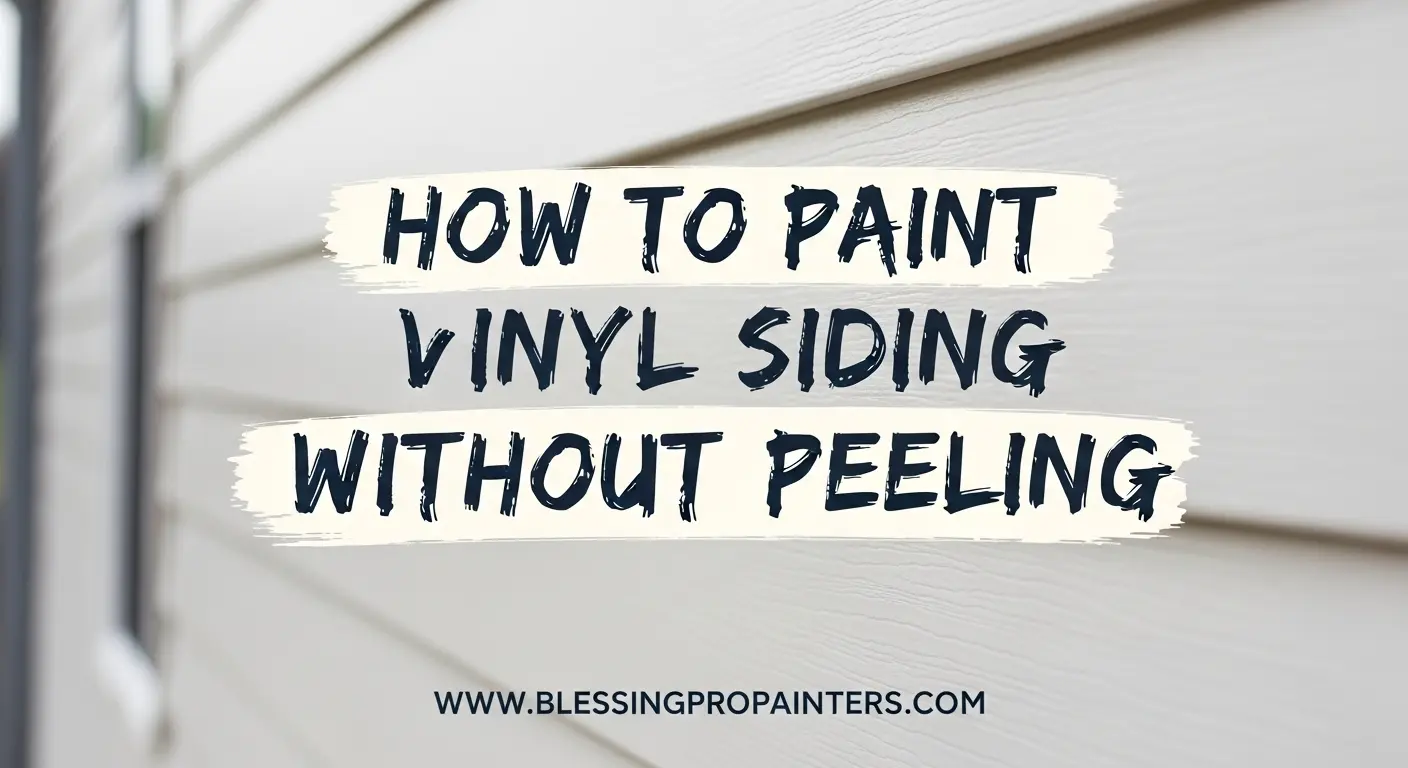
Transforming your home’s exterior with a fresh coat of paint can be an exhilarating endeavor. However, when it comes to vinyl siding, achieving that flawless finish without peeling can feel like a daunting challenge. Don’t fret! With the right preparation, supplies, and techniques, you can successfully breathe new life into your vinyl siding.
Understanding Vinyl Siding
Vinyl siding is a popular choice for homeowners due to its low maintenance and durability. However, painting vinyl siding requires specific strategies to ensure adherence and longevity. First, let’s delve into what makes vinyl siding unique:
- Material Composition: Vinyl siding is made from polyvinyl chloride (PVC), which is known for its flexibility and resistance to deterioration.
- Surface Texture: The smooth surface can be both a blessing and a curse when it comes to paint adhesion.
- Color Fading: Over time, exposure to sunlight can lead to fading, necessitating a new coat of paint.
Preparation Is Key
Before you even think about picking up a brush, proper preparation is essential. This stage can significantly reduce the likelihood of peeling paint.
1. Cleaning the Surface
Begin by thoroughly cleaning your vinyl siding to remove dirt, mildew, and any chalky residue. A cleaner surface allows the paint to adhere better. Here’s how:
- Use a Power Washer: A power washer can effectively remove grime. Maintain a safe distance to avoid damaging the siding.
- Mildew Solutions: For mold or mildew, mix water with a gentle bleach solution (1 part bleach, 10 parts water).
- Rinse Well: After applying cleaning solutions, ensure you rinse off all residues completely.
2. Inspect and Repair
Next, take the time to inspect your vinyl siding for any damages, such as cracks or holes. Address these issues before painting:
- Seal Cracks: Use a flexible, waterproof sealant designed for vinyl siding.
- Replace Damaged Sections: If you find severely damaged sections, consider replacing them to achieve the best results.
3. Select the Right Paint
Choosing the right paint is crucial for success. Look for the following specifications:
- Exterior-Grade Paint: Ensure the paint is suitable for external applications.
- Acrylic Latex Paint: This type offers superior adhesion and flexibility, accommodating the expansion and contraction of vinyl.
- Light Colors: Dark colors absorb more heat and can lead to warping; stick to light shades for vinyl.
Painting Techniques to Avoid Peeling
Now that your surface is prepped and you have your paint, it’s time to begin the painting process. When painting vinyl siding, consider the following techniques:
1. Temperature Matters
Pick the right time of year. Ideally, paint vinyl siding when temperatures are between 50°F and 85°F. Extreme temperatures can lead to poor adhesion and peeling:
- Hot Weather: In high temperatures, the paint may dry too quickly, causing bubbling.
- Cold Weather: In cooler temperatures, the paint may not cure properly.
2. Use the Right Tools
Choosing the right tools can make a difference in your work:
- Brushes: A high-quality synthetic brush can help apply paint evenly.
- Rollers: Use a ¼” nap roller, which is ideal for smooth siding.
- Sprayers: Airless sprayers can provide a smooth coat but can be challenging to control.
3. Apply in Thin Coats
When it comes to applying paint, thin coats are your best friend. Here’s how:
- First Coat: Start with a thin first coat, allowing it to dry completely before applying a second one.
- Follow Directions: Always refer to the manufacturer’s instructions for drying times.
Post-Painting Care
Once you’ve painted, proper care helps ensure the longevity of your new finish. Here are some tips:
1. Regular Inspections
Every season, take the time to inspect your siding for signs of peeling or damage:
- Touch-Up: Keep a small amount of leftover paint for any needed touch-ups.
- Cleaning: Lightly clean your siding annually to maintain its appearance.
2. Avoid Abrasive Cleaning Methods
When cleaning, avoid pressure washers or abrasive scrubbers, as they can scuff the paint:
- Soft Sponges: Use soft sponges and gentle detergents for maintenance.
- Hose Down: A gentle hose down can often suffice.
3. Seek Professional Help
If you find that painting your vinyl siding is not within your wheelhouse, consider seeking professional help. At Blessing Pro Painters, our knowledgeable team specializes in painting vinyl siding, ensuring high-quality results without peeling.
Conclusion
Painters often encounter concerns regarding the durability of paint on vinyl siding. However, with deliberate preparation, selecting the right products, and applying effective techniques, you can achieve stunning results that last. Whether you take on the project yourself or hire a professional team like Blessing Pro Painters, the rewards of a beautifully refreshed exterior will be worth the effort. For homeowners in North Wilkesboro and the surrounding communities, we are here to help deliver a durable, vibrant finish to your home’s vinyl siding.