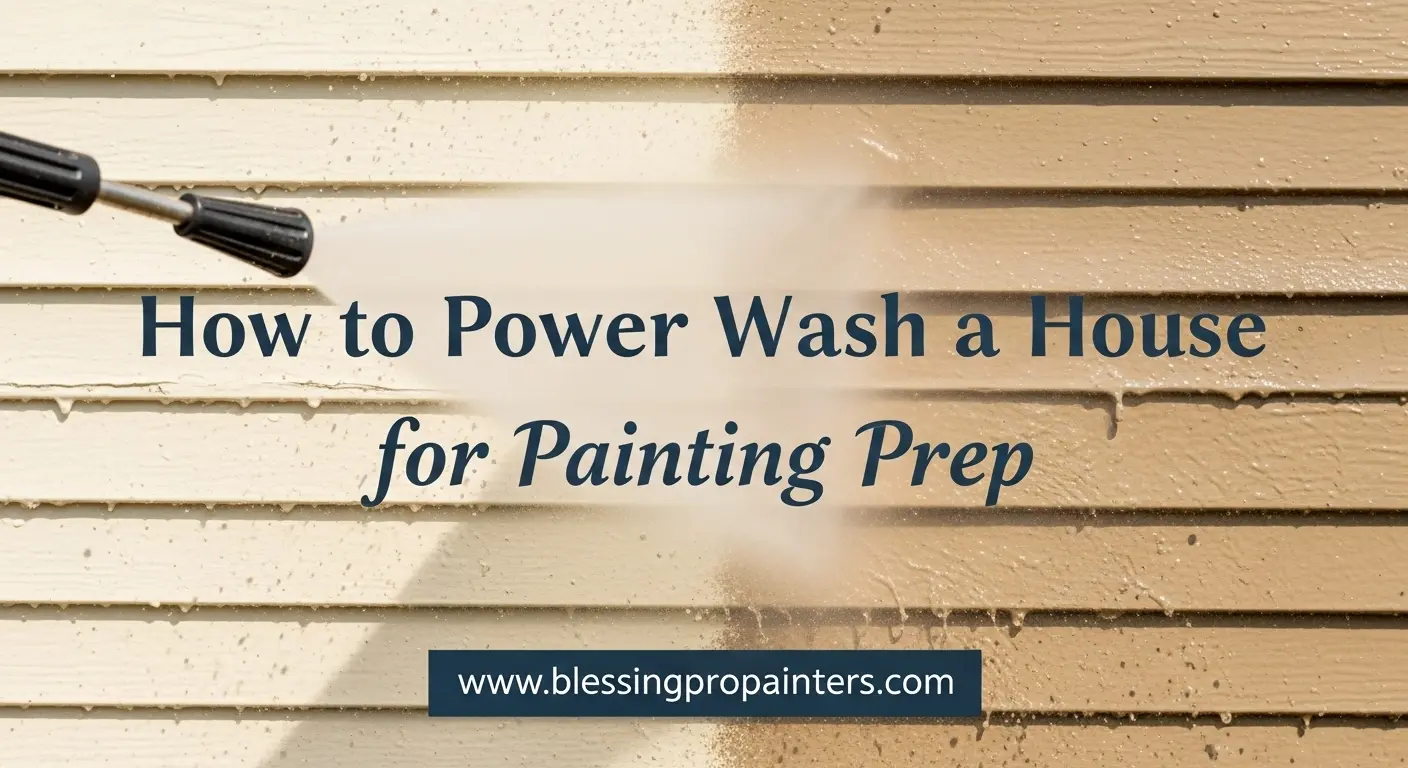
When it comes to painting a house, one crucial step often gets overlooked: power washing. Preparing your home’s exterior not only enhances the appearance but also contributes significantly to the longevity of the new paint job. If you’re getting ready to refresh your home’s facade, mastering the art of power washing is essential.
Why Power Washing is Important for Painting
Power washing removes dirt, grime, mildew, and peeling paint from your home’s surface. This process is vital for ensuring that the new paint adheres properly. By eliminating contaminants, you’re setting a strong foundation for the paint, ensuring a more vibrant appearance and increasing durability.
Benefits of Power Washing
- Enhances paint adhesion
- Extends the lifespan of your new paint job
- Removes harmful contaminants
- Improves curb appeal
- Can identify underlying issues before painting
Materials Needed for Power Washing
Before diving into the power washing process, gather all necessary materials. Having everything on hand will streamline your efforts and ensure safety measures are prioritized.
Essential Power Washing Supplies
| Item | Description |
|---|---|
| Power Washer | Electric or gas-powered machine for high-pressure water application. |
| Safety Gear | Goggles, gloves, and waterproof footwear to protect against debris and water pressure. |
| Cleaning Solution | Mildew or algae-specific cleaners can enhance cleaning efficiency. |
| Extension Wand | Increases reach and helps clean hard-to-reach areas. |
| Surface Cleaner Attachment | A rotating attachment for flat surfaces to ensure even cleaning. |
Steps for Power Washing a House
Now that you’re equipped with the right materials, let’s dive into the step-by-step process of power washing your home in preparation for painting. Follow these guidelines for an effective and safe experience.
Step 1: Prepare the Area
Start by moving any furniture, trims, or fixtures situated near your home’s exterior. Cover windows and doors with plastic sheeting to prevent water damage, and disconnect external electrical devices.
Step 2: Inspect the Surface
Before power washing, take a close look at your home’s exterior for any signs of damage, such as peeling paint, mold, or mildew. Address these issues beforehand to ensure thorough cleaning and preparation.
Step 3: Mix Cleaning Solution
If you’re using a cleaning solution, mix it according to the manufacturer’s instructions. It’s typically advisable to test the solution on a small, inconspicuous area to ensure it won’t damage the surfaces.
Step 4: Power Wash at the Right Angle
Adjust the nozzle of your power washer to the appropriate setting for your surface type. For most home exteriors, a wider spray angle (25-40 degrees) is sufficient. Hold the wand at a 45-degree angle about 12-24 inches away from the surface to avoid paint damage.
Step 5: Start Power Washing
Begin at the top of the wall and work your way down. This ensures that dirt flows downward and doesn’t re-soil areas you’ve already cleaned. Move the wand in a steady motion and avoid staying in one spot too long to prevent damage.
Step 6: Rinse Thoroughly
After cleaning the entire surface with the solution, switch to a rinse setting on your power washer. Make sure to rinse off any remaining cleaning solution or debris to leave a clean, ready-to-paint surface.
Post-Power Washing Care
After power washing, it’s essential to allow adequate time for the exterior to dry. This is crucial, especially before painting, as moisture can lead to peeling and bubbling paint. Typically, a 24 to 48-hour drying time is advisable.
Inspect and Repair
Once the surface is dry, inspect it once more for any remaining peeling paint or areas that might need repair. Patch these spots using a suitable exterior filler or caulk, and ensure they are fully dry before proceeding.
Prep for Painting
With your home now prepped and primed through power washing, you’re ready for the next phase. Consider lightly sanding any rough areas and priming spots that may require extra attention. A clean surface combined with the right preparation ensures your new paint will adhere beautifully.
Safety Considerations
While power washing can make a huge difference in your home’s exterior, it’s crucial to prioritize safety. Here are some key practices to keep in mind:
- Always wear protective gear, including gloves, goggles, and a mask.
- Be mindful of the surface you are washing; softer materials might require lower pressure to avoid damage.
- Ensure electrical outlets and fixtures are secure and covered before washing.
- Never power wash in adverse weather conditions, like strong winds or rain.
When to Call Professionals
Power washing may appear straightforward, but if your home requires extensive cleaning or if you’re unsure, it could be worth consulting a professional. At Blessing Pro Painters, we specialize in both painting and cleaning preparation, ensuring your home is perfectly ready for a fresh coat. Our team is well-equipped to handle all pressures and surfaces, providing peace of mind along with top-notch results.
Conclusion
Power washing is an indispensable step in the painting preparation process, providing a fresh foundation for your home’s new look. By removing dirt, mildew, and peeling paint, you’re boosting the longevity and vibrancy of your new paint job. With the right tools, techniques, and safety practices, you can effectively enhance your home’s exterior on your own.
Whether you’re a DIY enthusiast or considering reaching out for professional help, remember that the clean surface is the golden ticket to a beautifully painted home. Get ready to enjoy the stunning transformation that awaits once your project is complete. For assistance with painting prep or power washing, visit Blessing Pro Painters, serving North Wilkesboro and the surrounding communities.