
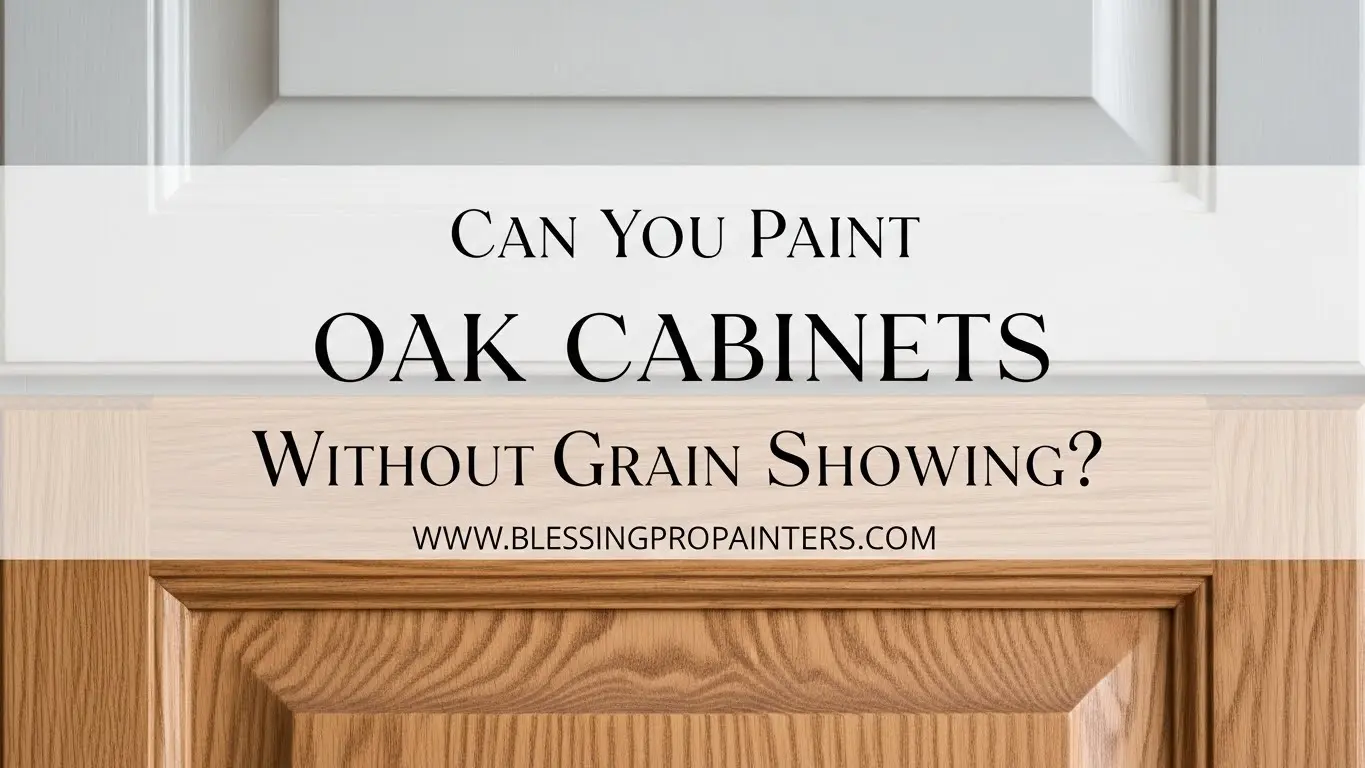
Imagine stepping into your kitchen and being greeted by elegant, smooth surfaces without the distracting texture of wood grain. For many homeowners, painting oak cabinets offers a chance for a fresh, modern look. But can you achieve that dream finish without grain showing? The answer is a resounding yes! In this blog post, we will explore various methods, tips, and techniques to paint oak cabinets flawlessly.
Understanding Oak Cabinets
Oak is a popular choice for cabinetry due to its durability and classic appearance. However, its pronounced grain can be tricky when it comes to painting. When light hits those wood fibers, the grain can become a stark distraction, detracting from the smooth finish you desire.
To successfully paint oak cabinets without grain showing, it’s essential to understand the structure of oak wood. Coupled with the right preparation, materials, and techniques, you can create a stunning transformation that highlights color over texture.
Why Paint Oak Cabinets?
Whether you want to update your kitchen’s aesthetic or increase property value, painting oak cabinets offers a cost-effective solution. Here are a few reasons why painting your oak cabinets is worth considering:
- Cost-Effective: A fresh coat of paint can dramatically change the look of your kitchen without the expense of a full remodel.
- Customization: You can choose your desired color scheme to match your décor.
- Environmentally Friendly: Painting can be more sustainable than replacing old cabinets.
Preparation: The Key to a Smooth Finish
Success in painting oak cabinets often lies in meticulous preparation. This stage is crucial if you want to eliminate the grain from showing through the paint. Here’s a step-by-step guide:
1. Clean the Cabinets
Begin by removing any dirt, grease, or grime from your cabinets. A mix of soap and water can be effective, followed by a quick wipe-down with a clean cloth. Once the surface is clean, allow it to dry thoroughly.
2. Sanding the Surface
Sanding is vital to create a smooth surface for painting. Use a fine-grit sandpaper to lightly sand the cabinet surfaces. Focus on filling in the grain, but ensure not to sand too deeply as this may damage the wood. For stubborn grains, consider using a wood grain filler.
3. Applying a Wood Filler
To achieve a truly grain-free appearance, you may want to use a wood filler. Here’s how:
- Choose a high-quality wood filler that can be easily applied and sanded down.
- Apply the filler in the direction of the grain with a putty knife, filling in the grooves.
- Once dry, sand the filled areas until smooth, ensuring it blends with the rest of the surface.
Selecting the Right Paint
Choosing the right paint can significantly affect the final look of your oak cabinets. For optimal results, consider the following:
1. Type of Paint
Acrylic latex paint is a popular choice for cabinets due to its fast drying time and durability. Alternatively, oil-based paints provide a hard finish but take longer to dry and can be more challenging to work with.
2. Primer is Essential
Using a high-quality primer is crucial for covering the wood grain effectively:
- Opt for a stain-blocking primer to prevent any oil or resin bleed-through.
- A shellac-based primer is excellent for achieving a smooth surface.
Techniques for Painting Oak Cabinets Smoothly
Once your cabinets are prepped and primed, it’s time to paint. To minimize grain visibility, consider these techniques:
1. Using a Sprayer
For the smoothest finish, using a professional-grade paint sprayer can be a game-changer. Sprayers allow for even coverage, making it easier to apply the paint without brush strokes or roller marks.
2. Brush Painting
If a sprayer isn’t an option, use a high-quality synthetic brush. A brush designed for smooth finishes will help minimize texture. Apply thin, even coats, allowing sufficient time between layers for drying.
3. Sand Between Coats
To achieve a flawless finish, lightly sand your cabinets between coats of paint. This helps to smooth out any imperfections and create a surface that’s even more resistant to showing the grain. Be sure to wipe down any dust before applying the next coat.
Finishing Touches: Protect Your Work
To protect your beautiful new finish and ensure longevity, it’s wise to apply a clear topcoat once the paint is dry. Consider the following options:
- Polyurethane: Provides a durable, protective layer.
- Polycrylic: Ideal for water-based paints, offering a clear finish.
Time Investment and Expectations
Understanding the time required for this project is essential to set realistic expectations. From preparation to drying time, painting oak cabinets can be a multi-day process. Here’s an estimated breakdown:
| Stage | Estimated Time |
|---|---|
| Cleaning | 1-2 hours |
| Sanding and Filling | 3-4 hours |
| Priming | 1-2 hours (plus drying time) |
| Painting | 4-6 hours (plus drying time) |
| Topcoat | 2-3 hours (plus drying time) |
Final Thoughts: Achieving a Professional Look
Painting your oak cabinets without showing grain is absolutely achievable with the right preparation, materials, and techniques. Not only can you elevate the aesthetic appeal of your kitchen, but you can also enjoy the satisfaction of a job well done.
If you’re in North Wilkesboro or the surrounding communities and prefer to leave this project to the professionals, we are here to help. At Blessing Pro Painters, we specialize in transforming spaces, ensuring high-quality finishes with minimal stress to you. Let us take your cabinetry from ordinary to extraordinary!
Invest in your home, and let the beauty of perfectly painted oak cabinets shine through without the grain showing. Contact us today for a consultation!