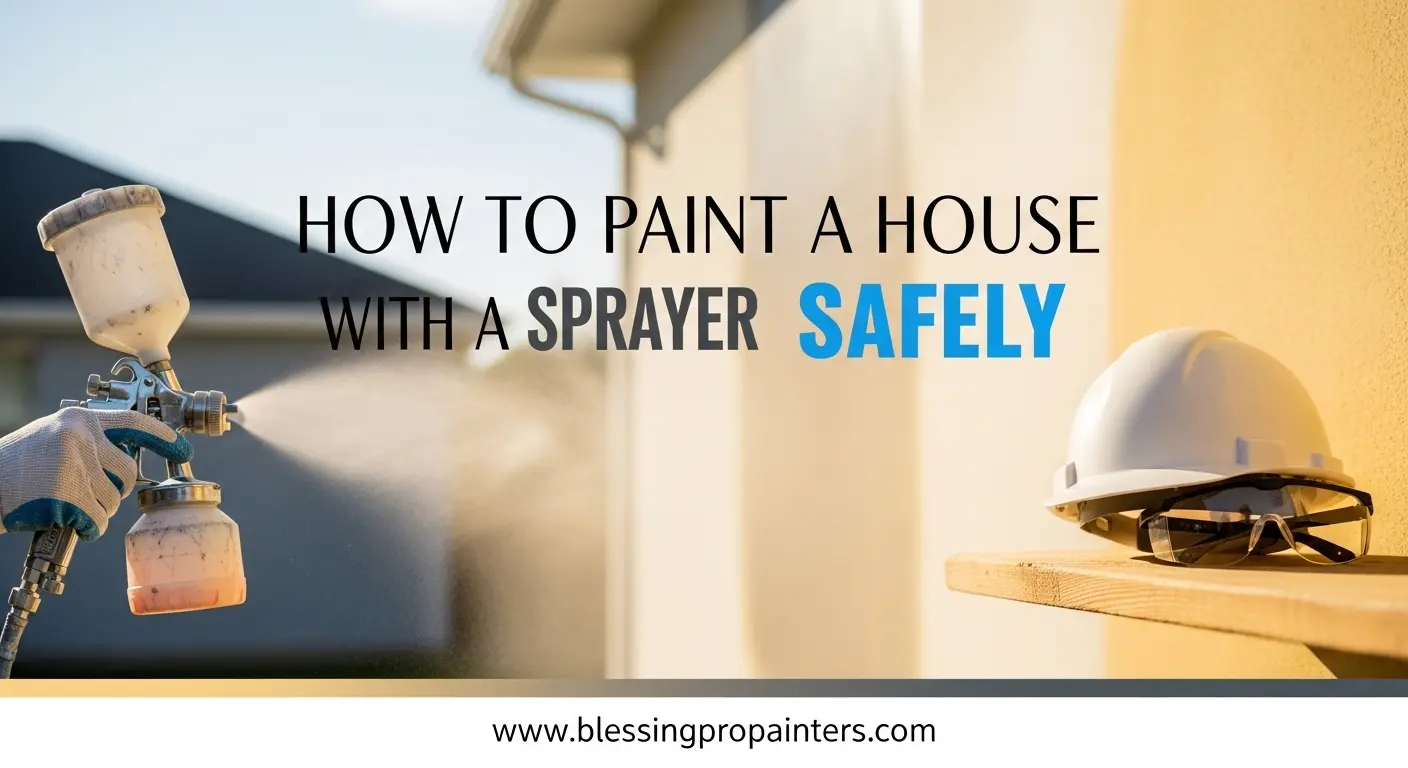
Painting a house can transform its appearance, enhance curb appeal, and extend the lifespan of your exterior surfaces. Among the various methods, using a sprayer is one of the fastest and most effective techniques for achieving a smooth and even finish. However, painting with a sprayer involves more than just aiming and spraying; it requires careful planning and safety precautions. In this guide, we will explore safe techniques to paint your house with a sprayer, ensuring not only beautiful results but also a secure painting experience.
Benefits of Using a Sprayer
Before diving into the specifics of safe practices, let’s look at why using a sprayer can be beneficial for your house painting project:
- Speed: Sprayers can cover large areas quickly, making them ideal for bigger jobs.
- Even Coverage: Sprayers provide a uniform coat, reducing streaks and drips.
- Versatility: Suitable for various surfaces, including wood, brick, and stucco.
Preparing for the Job
Preparation is critical to ensure that your painting job goes smoothly and safely. Here’s how to prepare effectively:
Gather Your Supplies
Before starting, make sure you have the following items:
- High-quality paint sprayer (airless or HVLP)
- Paint suitable for your house material (latex or oil-based)
- Drop cloths or tarps
- Painter’s tape
- Safety gear (goggles, mask, gloves)
- Extension ladder (if required)
Choose the Right Paint
Selecting the right paint can make a significant difference in the durability and appearance of your project. Consider the following:
- Finish: Opt for exterior-grade paint with a suitable sheen.
- Weather Resistance: Make sure the paint can withstand local weather conditions.
- Color Choice: Lighter colors tend to reflect sunlight and keep homes cooler.
Safety First!
With all supplies in hand, it’s time to focus on safety. Here are important safety guidelines to follow:
Personal Protective Equipment (PPE)
Wearing the right protective gear is essential when painting. The basic PPE includes:
- Mask: An N95 respirator will protect you from inhaling paint fumes.
- Goggles: Protect your eyes from paint splatters and irritants.
- Gloves: Use chemical-resistant gloves to protect your hands.
- Footwear: Wear closed-toe shoes to prevent slipping and injuries.
Ventilation and Air Quality
When using a paint sprayer indoors or during a warm season, always ensure proper ventilation:
- Open windows and doors to allow fresh air to circulate.
- Fans can help circulate air, but avoid using them when spraying to prevent overspray.
Set Up Your Workspace
Preparing your workspace is crucial to avoid accidents and ensure effective painting:
- Remove or cover furniture and fixtures in the spray zone.
- Lay down drop cloths to protect the ground from overspray.
- Ensure no flammable materials are nearby, especially when using oil-based paints.
Understanding Your Sprayer
Familiarizing yourself with the paint sprayer is essential for a successful job. Here are some key points:
Types of Paint Sprayers
There are primarily two types of paint sprayers used:
- Airless Sprayers: These use high pressure to atomize the paint, ideal for large surface areas.
- HVLP Sprayers: High-Volume Low-Pressure sprayers are great for detailed work and provide a finer finish.
Setting Up the Sprayer
Follow these steps to set up your sprayer:
- Choose the right nozzle according to the paint type and project requirements.
- Fill the sprayer’s container with paint and ensure proper locking.
- Adjust the pressure settings, starting low and increasing as needed.
Executing the Paint Job
Now that you’re set up and ready, it’s crucial to follow a proper painting technique for optimal results.
Spraying Technique
Here’s how to spray effectively:
- Distance: Keep the sprayer 12 to 18 inches away from the surface.
- Motion: Use steady, even strokes, overlapping each pass by about 30%.
- Wetting the Surface: Apply a light mist as a base before heavier coats.
Layering and Drying Time
For the best finish, multiple thin coats are preferable to one thick coat. Allow each layer to dry completely before adding the next:
| Coat Number | Recommended Drying Time |
|---|---|
| First Coat | 1-2 hours |
| Second Coat | 2-4 hours |
| Final Coat | 4-6 hours |
Cleanup After the Job
Once the painting is complete, cleaning your equipment and workspace is just as vital as preparation:
Cleaning the Sprayer
Follow these steps to clean your paint sprayer properly:
- Remove any remaining paint from the container.
- Flush the system with the appropriate cleaner (water for latex, mineral spirits for oil-based).
- Wash the nozzle and other parts thoroughly.
Dispose of Materials Responsibly
Always dispose of leftover paint and used materials according to local regulations to protect the environment.
Conclusion
Painting a house with a sprayer can rejuvenate your home, making it look brand new in no time. However, the process requires careful preparation and adherence to safety protocols to safeguard yourself and your surroundings. Whether you are a DIY enthusiast or hire professionals from Blessing Pro Painters serving North Wilkesboro and the surrounding communities, understanding how to spray paint effectively will lead to an impressive transformation. Embrace the art of sprayer painting, and enjoy your newly painted space!