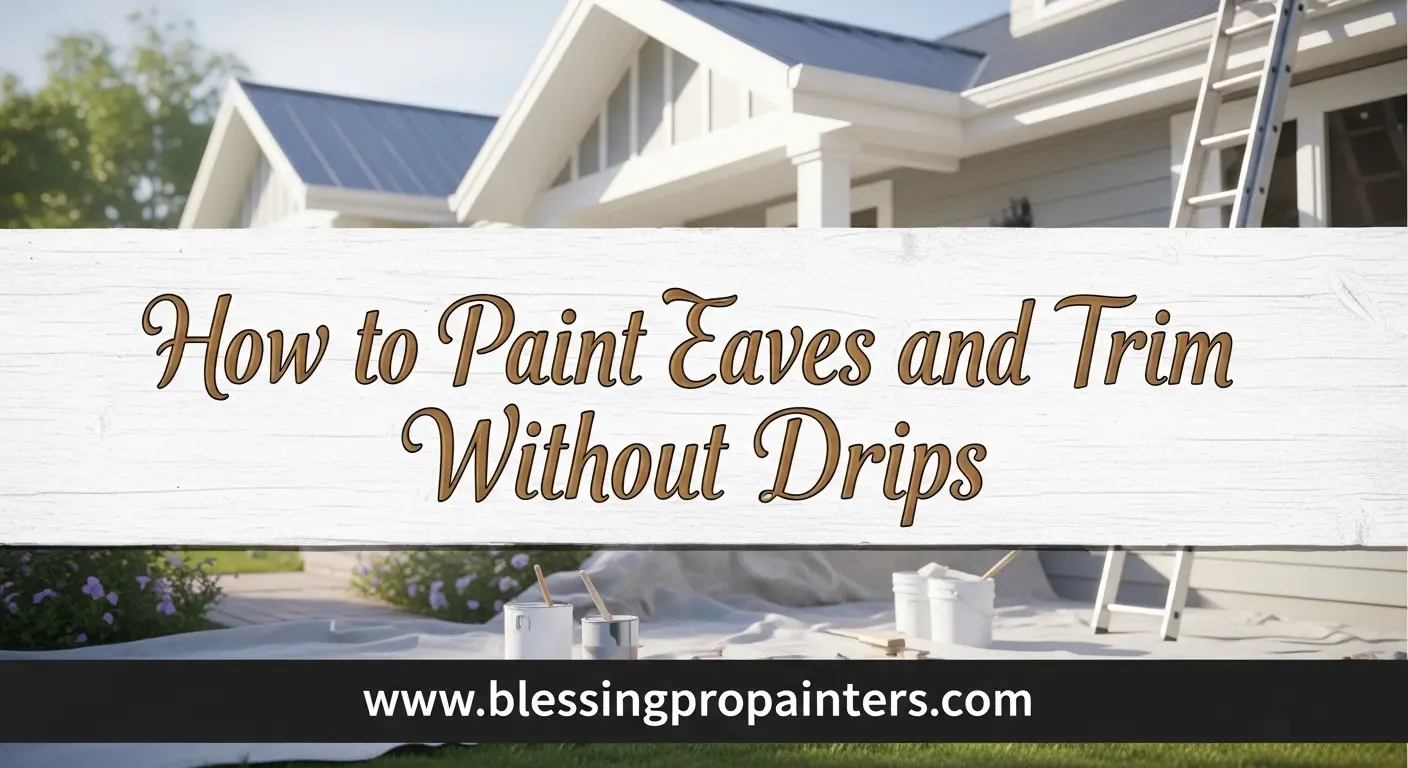
Achieving a flawless paint job on eaves and trim can feel like a daunting task. Drips and uneven finishes can turn a simple DIY project into a frustrating experience. But fear not! With the right techniques, tools, and a bit of patience, you can master the art of painting eaves and trim without any unsightly drips. This guide will walk you through the process step-by-step, introducing handy tips to ensure a clean, professional finish.
Why Proper Technique Matters
When it comes to painting eaves and trim, technique is everything. A well-executed paint job not only enhances the aesthetic appeal of your home but also protects these surfaces from weather damage and wear. Drip-free painting ensures you maintain clean lines and a smooth finish, which can significantly extend the life of your paint job and reduce maintenance down the road.
Essential Tools and Materials
Tools You Will Need
- High-quality paint (exterior latex or oil-based)
- Paintbrushes (angle brushes preferred for trim)
- Roller (for larger flat areas)
- Paint tray and liners
- Drop cloths
- Masking tape
- Paint edger (optional)
- Step ladder
- Painter’s bucket for mixing
Choosing the Right Paint
Selecting the right paint is crucial for achieving a drip-free finish. Look for paints that are specifically formulated for exterior surfaces. Here are some options to consider:
| Type of Paint | Best For |
|---|---|
| Latex | Quick drying, easy to clean up |
| Oil-based | Durability and smooth finish |
| Stories and Finishes | Lower sheen for less glare, higher sheen for a reflective finish |
Preparing the Surface
Cleaning and Repairing
Before you even pick up your brush, it’s vital to prepare the surface properly. Start by cleaning the eaves and trim to remove dirt, grime, and any existing peeling paint. Use a scrub brush and a mixture of water and mild detergent for this task. Rinse thoroughly and allow the area to dry completely.
If there are any imperfections, such as cracks or holes, be sure to fill them with a suitable caulk or spackle. Sand any rough edges smooth to ensure an even application of paint.
Protection for Surrounding Areas
To avoid accidental paint spills, tape off any areas you don’t want to be painted. This includes windows, siding, and any adjacent surfaces. Use high-quality masking tape to ensure crisp edges and remove it before the paint dries to prevent peeling.
Mastering the Painting Technique
Brush vs. Roller
For eaves and trim, brushes are your best friend. Angled brushes are particularly effective for trim, as they allow for precision and control. Rollers can be used for larger, flat surfaces. Here’s a quick comparison:
| Tool | Advantages |
|---|---|
| Brush | Precision, control over small areas |
| Roller | Speed, good for large flat surfaces |
Application Techniques
Now that you have your tools ready, it’s time to focus on the application technique. Here are the steps to ensure a drip-free finish:
- Dip and Tap: When loading your brush, dip only the bristles, then tap lightly to remove excess paint. This prevents drips from forming.
- Angle Your Brush: Hold your brush at an angle to allow for smooth application, especially on trim.
- Long Strokes: Use long, even strokes to distribute the paint. Rework any areas if needed, but avoid over-brushing.
- Feather Edges: As you finish an area, feather the edges to blend with the adjoining sections and minimize visible lines.
Finishing Touches and Cleanup
Final Inspection
Once you’ve completed your first coat, carefully inspect your work. Ensure there are no drips or uneven patches. If you spot any, sand them down lightly, clean the area, and apply another coat where needed.
Cleanup
After you’re satisfied with your work, clean your brushes and rollers thoroughly to prolong their use. If you’ve used latex paint, warm soapy water will suffice. For oil-based paints, you’ll need a solvent such as mineral spirits.
Additional Tips for Success
Weather Considerations
The ideal temperature for painting is between 50°F and 85°F. Ensure that the weather conditions are dry, as humidity and rain can lead to poor adhesion and a longer drying time.
Timing Your Project
Plan your painting project during daylight hours for better visibility. Proper lighting can help you spot imperfections that may need touch-ups before the paint dries entirely.
Seek Professional Help When Needed
If you find the task overwhelming or if you’re working on high eaves that require special equipment, consider hiring professionals. Our team at Blessing Pro Painters serves North Wilkesboro and surrounding communities, offering expertise in achieving flawless finishes for your eaves and trim.
Your Next Steps
Now that you’re equipped with all the tricks of the trade, it’s time to put them into action. By following these steps, you can successfully paint your eaves and trim without drips, resulting in a stunning and long-lasting finish. Remember, patience and precision are key!
If you feel confident tackling this project or prefer to leave it to the experts, Blessing Pro Painters is here to help transform your home’s exterior with a professional touch.
Final Thoughts
Painting eaves and trim without drips is within your reach. With attention to detail and the right tools, you can achieve that clean, professional look that boosts your home’s curb appeal. Don’t hesitate to contact us if you have any questions or need assistance with your painting project in North Wilkesboro and the surrounding areas.