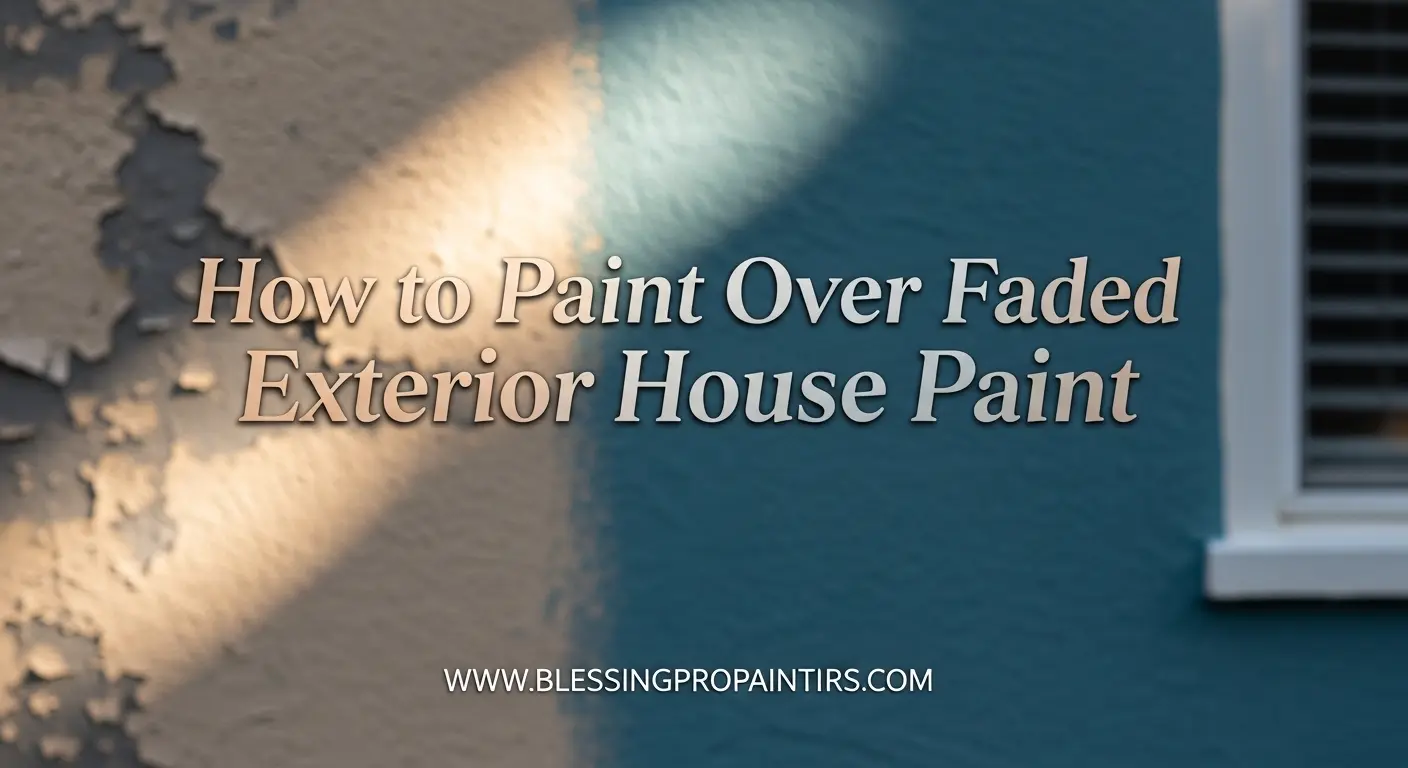
Every homeowner wants their residence to look fresh and inviting. If your house’s exterior paint has succumbed to the harsh effects of weather and UV exposure, it can leave your home with a dull and faded appearance. Fortunately, restoring your home’s exterior isn’t only possible; it can be done efficiently with the right preparation and techniques. In this blog post, we will guide you on how to effectively paint over faded exterior house paint, turning your home back into the stunning abode it once was.
Understanding Faded Paint
Faded exterior paint can result from various factors, including prolonged sunlight exposure, moisture, and the composition of the original paint itself. Understanding the degree of fading will help you decide whether your house merely needs a fresh coat or a complete repainting. Simply slapping on a new layer of paint over significantly faded areas may not yield the results you desire.
Signs Your Paint Has Faded
- Visible color change compared to the original paint
- Peeling or chipping paint
- Powdery residue when you touch the surface
- Visible cracks or blisters
- Areas that fade more quickly in direct sunlight
Gathering Your Supplies
Before launching into the painting project, gather all necessary supplies to make the process smooth and effective. Here’s a checklist of items you’ll need:
Essential Painting Supplies
- Exterior paint (preferably high-quality and UV-resistant)
- Primer suitable for exterior use
- Painting tools (brushes, rollers, trays)
- High-pressure washer or garden hose
- Scraper or sandpaper for surface preparation
- Protective gear (gloves, mask, goggles)
Preparing the Surface
Proper surface preparation is crucial for painting over faded exterior house paint. Taking the time to adequately prepare will help ensure better adhesion and a longer-lasting finish.
Cleaning the Surface
The first step in surface preparation is to clean the exterior surface to remove dirt, mildew, and any loose paint. If the existing paint is just faded and not peeling, you can use a high-pressure washer to give the surface a thorough clean. Otherwise, scrub the areas with a mixture of water and mild detergent.
Scraping and Sanding
Next, address any peeling or chipping paint. Use a scraper to remove any loose paint. Once scraped, use sandpaper to smooth the edges and the surface where the paint has faded. This helps in creating a uniform surface for the new paint.
Priming the Surface
The next vital step is priming. A high-quality primer suited for exterior use will seal the old paint and create a uniform surface that allows the new paint to adhere properly. Apply the primer using a paintbrush or roller, and ensure you allow it ample time to dry as per the product instructions.
Choosing the Right Paint
Choosing the correct paint is pivotal to achieving a lasting finish. Opt for a high-quality exterior paint that is durable, UV-resistant, and designed for the specific material of your home’s exterior. There are various types of exterior paint to consider:
Types of Exterior Paint
| Type | Suitable Surface | Finish Options |
|---|---|---|
| Acrylic | Wood, vinyl, stucco | Flat, satin, gloss |
| Oil-based | Wood, metal | Gloss, semi-gloss |
| Elastomeric | Concrete, stucco | Flat |
Applying the New Coat of Paint
Now that you have prepared the surface and selected the right paint, it’s time to apply the new coat. Here are some key tips for effective application.
Technique Matters
Always start at the top and work your way down to avoid drips. Use a paintbrush for corners and edges, while rollers can cover broader surfaces effectively. Apply multiple thin coats instead of one thick layer. This method not only improves adhesion but also ensures a more consistent finish.
Drying Time
Allow each coat to dry completely before applying the next one. Check the paint can for recommended drying times, and remember that humidity and temperature can affect drying times.
Final Touches
Once you have applied your final coat, it’s essential to take a few moments for final touches and inspections. Check for any streaks or missed spots, and touch those up as needed.
Cleanup
After you’ve completed your project, don’t forget to clean your brushes and tools using water or the appropriate solvent. Dispose of any leftover paint responsibly and store your equipment for future use.
Maintaining Your Newly Painted Exterior
To enhance the lifespan of your new coat of paint, consider these maintenance tips:
- Inspect your exterior regularly for any signs of wear or fading.
- Clean the exterior at least twice a year to remove dirt and mildew.
- Touch up any areas that may have chipped or faded over time.
Conclusion
Revitalizing your home’s exterior by painting over faded paint is a project well worth the effort. Following these steps helps ensure a successful paint job that not only enhances your home’s aesthetic but also protects it from the elements. If you’re in North Wilkesboro and surrounding communities and prefer to leave the hard work to professionals, consider Blessing Pro Painters. Our team is dedicated to providing exceptional service, ensuring your home looks fabulous and stays protected for years to come.