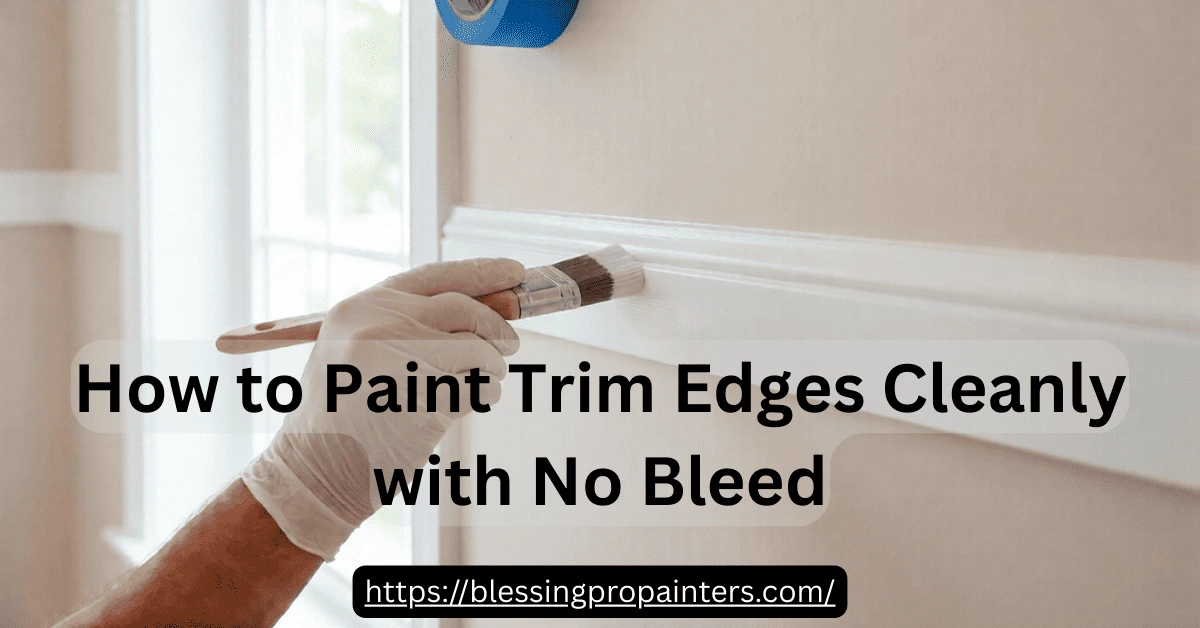
Transforming your space with a fresh coat of paint can breathe new life into your home, but the difference is often in the details. A clean, crisp edge on trim can elevate the entire room from mediocre to magnificent. When achieving that perfect trim line, bleeding paint can be a common nightmare for DIY enthusiasts and professionals alike. Luckily, you can master this skill with the right techniques and tools. Here’s your ultimate guide to painting trim edges cleanly with no bleed.
Why Clean Trim Edges Matter
Clean trim edges are vital for a professional-looking finish. A well-painted trim not only enhances the aesthetics of your home but also reflects attention to detail. Whether you’re updating your interior or preparing your home for sale, the edges can make or break the overall impression.
Here are a few reasons why getting trim edges right is crucial:
- Aesthetics: Clean edges improve the visual appeal and create a polished look.
- Value: Well-executed paint jobs can boost your home’s resale value.
- Durability: Stripped edges are more likely to withstand wear and tear.
Essential Tools for Paint trim edges cleanly
Before diving into techniques, it’s essential to equip yourself with the right tools. Here’s a quick list of must-haves:
- Painter’s tape
- High-quality paintbrush (angled for precision)
- Small paint roller
- Paint tray
- Drop cloths
- Paint — preferably acrylic or latex
Preparing for the Job
Preparation sets the stage for success. Here are the steps to prepare the space before you start painting:
1. Clear the Area
Remove any furniture or items near the trim you’ll be painting. This not only ensures a smoother process but also protects your belongings from potential paint splatters.
2. Clean the Surface
Dust and grime can affect paint adhesion. Wipe down the trim with a damp cloth, and ensure the area is dry before taping.
3. Tape Off Areas
Use painter’s tape to mask off areas adjoining the trim. Press the tape down firmly to prevent paint from seeping underneath.
The Painting Process
Now that you have prepared your workspace, let’s move on to the actual painting process. Following these steps will help you achieve clean trim edges every time.
1. Apply a Primer (if necessary)
If you’re painting over a darker color or bare wood, a primer can significantly improve the paint’s adhesion and opacity. Use a small brush or roller to apply it evenly and let it dry completely.
2. Use the Right Brush
An angled brush is your best friend when it comes to painting trim edges. The angled bristles allow for better control and precision. Dip the brush lightly into the paint, and tap off the excess to avoid drips.
3. Start Painting from an Edge
Begin at the top corner of the trim and work your way down. Use smooth, even strokes for a uniform finish. Here’s a basic technique to keep in mind:
- Start painting about 1/8 inch away from the taped edge.
- Gently push paint toward the tape while maintaining a straight line.
- Repeat until the entire edge is covered.
4. Remove the Painter’s Tape
Timing is key when removing painter’s tape. Wait until the paint is tacky but not fully dry, and pull the tape away slowly at a 45-degree angle. This helps prevent the paint from tearing and ensures a clean edge.
Dealing with Bleeding
Despite your best efforts, bleeding may occur. Here are a few tips on how to handle this:
1. Touch-Up with a Fine Brush
If there are minor bleed spots, use a fine-tipped brush to carefully touch up any areas. This process requires a steady hand, so take your time as you fix these imperfections.
2. Sanding for Smoothness
If the bleed is substantial, you may need to sand down the area once the paint is dry. Follow up with a fresh coat to ensure uniformity.
Tips for Maintenance
After achieving a stunning trim finish, make sure it lasts by incorporating these maintenance tips:
- Regularly dust and wipe down the trim with a damp cloth.
- Avoid using harsh chemicals that could damage the paint.
- Touch up any scratches or imperfections as soon as they occur.
Quality Paint Makes a Difference
The quality of the paint you choose plays a significant role. Premium paints often yield better coverage and finish. When purchasing materials, don’t shy away from investing in high-quality products.
Why Choose Professionals
While any homeowner can tackle trim painting, hiring professionals can save time and yield better results. Our team at Blessing Pro Painters specializes in providing impeccable service in North Wilkesboro and its surrounding communities. Our expertise ensures that your trim edges will be painted to perfection, free from unsightly bleeds.
Benefits of Professional Painting Services
- Expertise: Professional painters bring years of experience to the table, enhancing the quality of your finish.
- Efficiency: Professionals can complete the job faster, allowing you to enjoy your new look sooner.
- Tools and Techniques: We have the tools and specialised techniques needed to get the job done right.
Conclusion
Painting trim edges doesn’t have to be a daunting task. With the right preparation, tools, and techniques, you can achieve clean edges that take your paint job from ordinary to extraordinary. Remember, practice makes perfect, and if the task feels a bit overwhelming, don’t hesitate to reach out to professionals like Blessing Pro Painters. We’re here to serve North Wilkesboro and the surrounding communities with outstanding painting services that guarantee no bleed and a stunning finish. Let’s transform your space today!