Why Priming is Essential for Cabinets
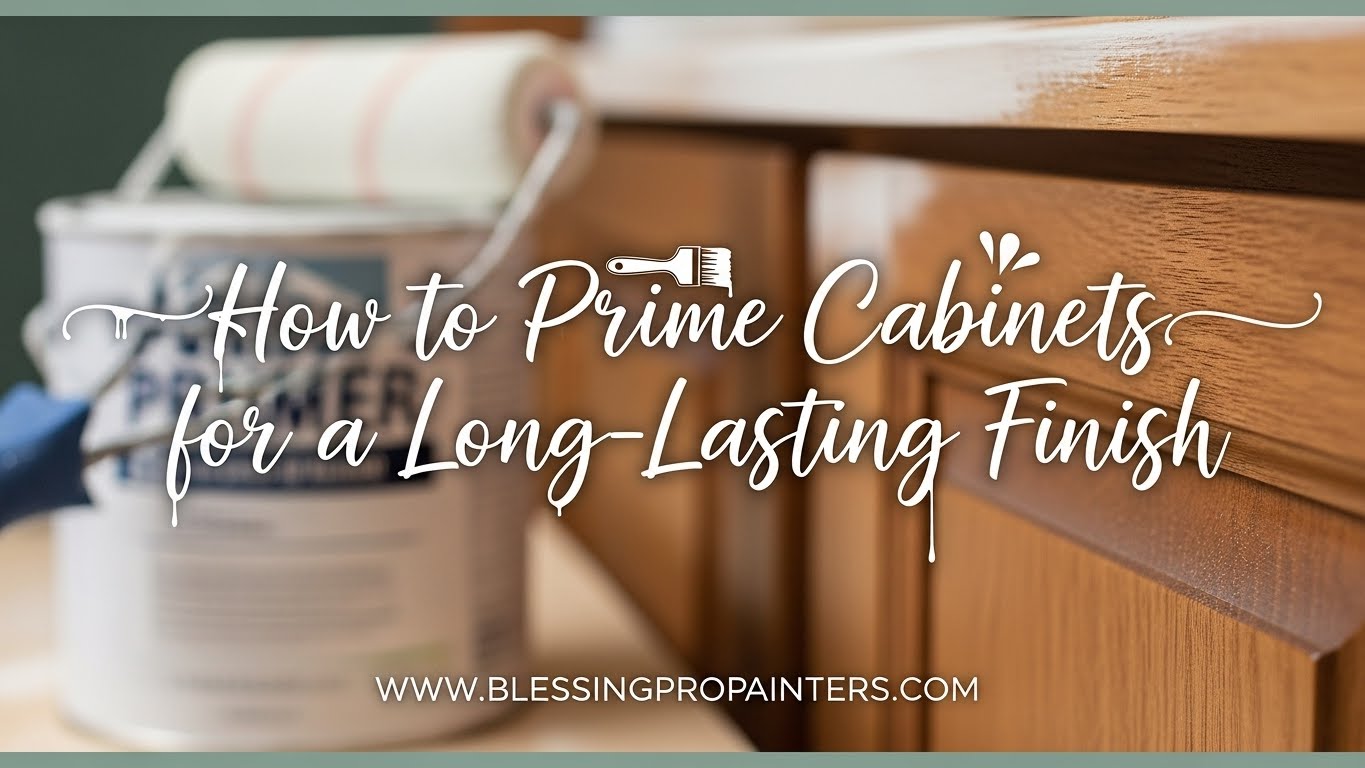
Priming cabinets is a crucial step that many DIY enthusiasts overlook. A proper primer forms a strong bond between the surface and the final coat of paint. This bond is vital for durability, ensuring that the finish adheres well without peeling or chipping. Furthermore, a high-quality primer can improve the color vibrancy of your topcoat. Here’s what you gain by priming:
- Improved adhesion of the topcoat paint.
- Enhanced durability against wear and tear.
- Better color uniformity and appearance.
- Protection against stains and moisture.
Choosing the Right Primer
Selecting the right primer is critical for achieving the best results. Depending on the material of your cabinets, different primers may be more effective:
Types of Primers
| Cabinet Material | Recommended Primer |
|---|---|
| Wood | Oil-based or shellac-based primer |
| Laminate | Bonding primer |
| Metal | Zinc chromate primer |
Select a primer that suits the specific needs of your cabinets. By doing so, you’ll maximize adhesion and prepare the surface for a flawless finish.
Preparing Your Cabinets for Priming
Preparation is half the battle won. A clean, well-prepared surface is essential for achieving the best results. Follow these steps to prepare your cabinets:
Step-by-Step Preparation
- Remove Hardware: Take off all knobs and handles for an even priming surface.
- Clean the Surface: Use a degreaser to remove any grease, grime, or previous finishes. Rinse and dry thoroughly.
- Sand the Cabinets: Lightly sand the surface to ensure better adhesion of the primer. Use a medium-grit sandpaper and follow up with fine-grit sandpaper for a smooth finish.
- Wipe Down: After sanding, wipe down the cabinets with a damp cloth to remove dust and debris.
How to Apply Primer Effectively
Now that your cabinets are prepped, applying primer properly is key to achieving a long-lasting finish. Here’s how:
Application Techniques
- Use Quality Brushes or Rollers: A high-quality paintbrush or roller guarantees even application, minimizing brush strokes.
- Apply in Thin Coats: Start with a thin coat. Thick layers could lead to drips and uneven finishes.
- Work in Sections: To avoid drying issues, work on one area at a time.
- Follow Directions: Always check the primer’s label for the specific drying times and application tips.
Safety Tips
Always prioritize safety when working with primers:
- Work in a well-ventilated area.
- Wear safety goggles and gloves to protect against irritation.
- Follow local regulations for disposal of hazardous materials.
Allowing for Proper Drying
Drying time can vary based on the type of primer used and environmental conditions. Generally, oil-based primers take longer to dry than water-based ones.
Factors Influencing Drying Time
- Temperature: Warmer conditions speed up drying.
- Humidity: Higher humidity may slow the drying process.
- Airflow: Increased airflow helps with quicker drying.
Applying the Topcoat
After the primer has fully dried, it’s time to apply the topcoat. Here are some tips to ensure a stellar finish:
Topcoat Application Tips
- Choose the Right Paint: Use a high-quality paint suitable for cabinets.
- Apply Multiple Coats: Don’t settle for just one coat; two or three coats will give better coverage.
- Sand Between Coats: Lightly sand between the coats for a smoother finish.
Maintenance for Longevity
After your cabinets have been primed and painted, maintaining them is key to ensuring they last. Here are some maintenance tips:
- Regular cleaning with mild soap and water.
- Avoid harsh chemicals that can damage the finish.
- Address any scratches or nicks promptly to prevent peeling or chipping.
Conclusion
Priming cabinets is an essential step in achieving a long-lasting, beautiful finish. By carefully choosing the right primer, preparing the surface adequately, and following proper application techniques, you can transform your cabinets into a stunning feature of your kitchen. Remember, quality work pays off in the longevity of your cabinets.
Ready to give your cabinets a stunning makeover? Trust the experts at Blessing Pro Painters to handle all your painting needs in North Wilkesboro and the surrounding communities.