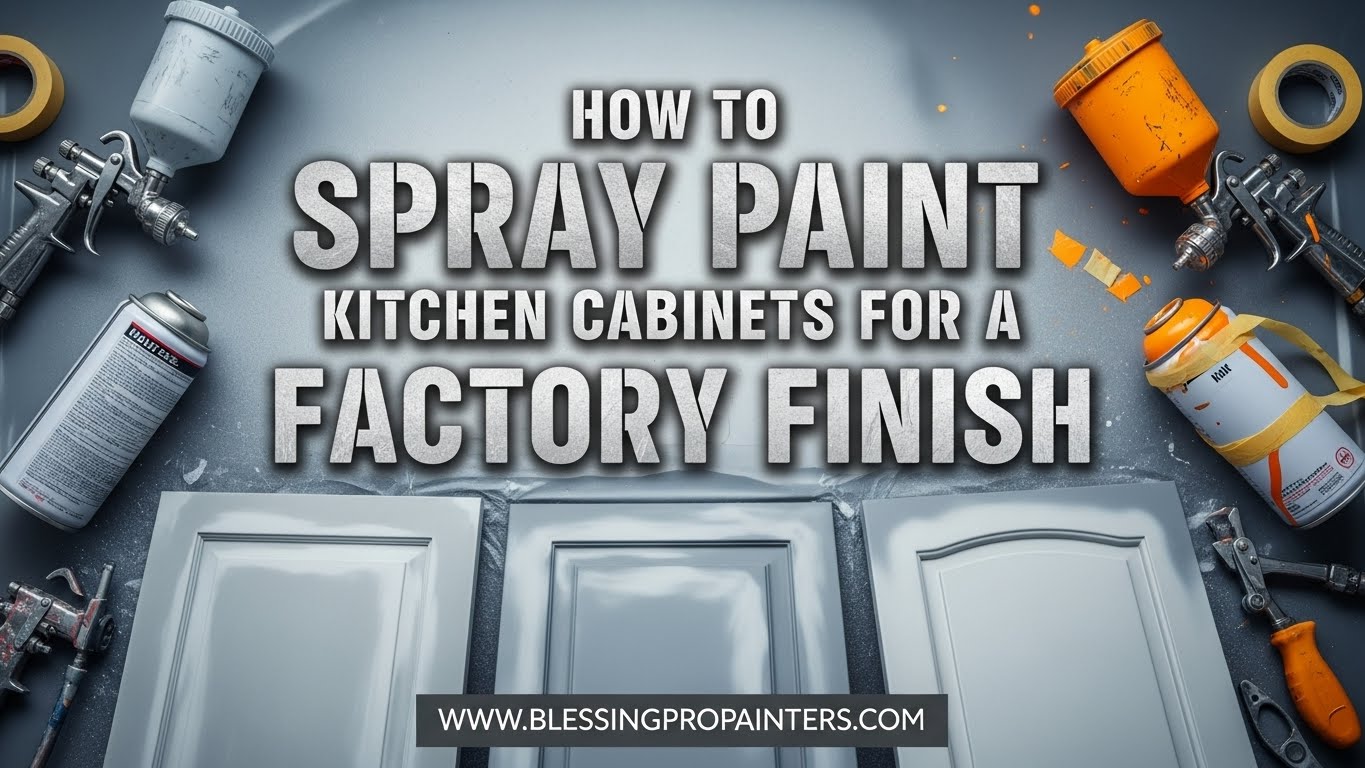
Transforming your kitchen cabinets can breathe new life into your entire space. Achieving a factory-like finish with spray paint not only enhances the aesthetics but also increases the durability of your cabinets. With the right techniques and preparations, you can turn your old cabinets into a stylish centerpiece.
Understanding the Benefits of Spray Painting
Spray painting offers a smooth, even coat that brushing or rolling simply can’t match. This method minimizes brush strokes and drips, resulting in a flawless finish. With spray paint, you have the ability to coat intricate designs and edges with ease, ensuring no spot is left untouched. The fast-drying nature of spray paint also allows for quicker turnaround times.
Essential Tools and Materials
Before diving into the project, gather the necessary tools and materials. Having everything at hand saves time and minimizes frustration.
- Spray paint (high-quality, durable formula)
- Primer (for better adhesion)
- Sandpaper (various grits)
- Paint sprayer
- Drop cloths
- Masking tape
- Cleaner or degreaser
- Protective gear (gloves, eye protection, mask)
Preparing Your Cabinets
Preparation is crucial to achieving that professional finish. Poor preparation can lead to peeling paint and uneven application, which defeats the purpose of your hard work.
Step 1: Remove Cabinet Doors and Hardware
Detach cabinet doors and remove all hardware, including handles and hinges. This allows for comprehensive coverage and prevents any paint from getting onto areas that should remain untouched.
Step 2: Clean Thoroughly
Use a cleaner or degreaser to remove all grease, grime, and old paint from the surfaces. This step ensures that the new paint adheres properly, providing a long-lasting finish.
Step 3: Sand Surfaces
Use sandpaper to lightly scuff up the surface of the cabinets. This helps the primer adhere better. A medium grit followed by a fine grit sandpaper works best. After sanding, wipe down the surfaces with a damp cloth to remove any dust.
Applying Primer for Best Results
Applying a primer provides a sealed base for your paint, enhancing the adhesion and saturation of the color.
Choose the Right Primer
Select a primer that is compatible with the type of paint you plan to use. For best results, look for a primer designed for cabinets and furniture.
Spraying Technique
Use a paint sprayer for an even application. Hold the sprayer at a consistent distance of about 10-12 inches from the surface. Apply thin, even coats, starting from one edge and moving to the other.
Tip: Use Vertical Motions
Spray in a steady motion along the vertical grain of the wood, overlapping each pass slightly to avoid gaps.
Drying and Curing Time
Let the primer dry as per the manufacturer’s instructions. A longer curing time can increase the longevity and durability of your finish.
Choosing the Right Paint
The type of paint you select significantly impacts the final finish. Look for high-quality, durable spray paint that is specifically designed for cabinetry.
Types of Spray Paints
| Type | Best Use |
|---|---|
| Acrylic | General elasticity and versatility |
| Oil-based | Durability and resistance to scratches |
| Chalk paint | Matte finish for a vintage look |
Applying the Spray Paint
Now comes the fun part—applying the paint! Follow these steps to get a great finish.
Thin, Even Coats are Key
Similar to the primer, apply the paint in thin, even coats. It’s better to apply multiple light coats than one heavy coat, which can lead to drips and runs.
Drying Between Coats
Allow sufficient drying time between each coat. This typically ranges from 30 minutes to 2 hours, depending on the paint used and environmental conditions.
Finishing Touches
Once you’ve achieved the desired color and coverage, allow the paint to cure fully. While it may be tempting to put the hardware back on or rehang the doors, patience is key to avoiding damage.
Reattach Hardware and Doors
Ensure the paint is thoroughly dry. Reattach all hardware and carefully hang the doors back on the cabinets, taking care not to damage the fresh paint.
Final Inspection
Do a thorough check for any areas that may need touch-ups. Minor imperfections can usually be corrected with a little extra paint.
Maintaining Your Newly Painted Cabinets
Once your cabinets are painted and reinstalled, it’s essential to know how to maintain them properly. This ensures your newly painted cabinets have a long, beautiful life.
Cleaning and Care
Use mild soap and water to clean the cabinets regularly. Avoid harsh chemicals that can strip the paint finish. A microfiber cloth can gently remove dust without scratching the surface.
Avoiding Heat and Moisture
Be cautious with excessive heat and moisture, which can damage the paint. Ensure proper ventilation and hydrometer levels in your kitchen, especially if it’s prone to humidity.
Why Choose Professional Help?
While DIY projects can be fulfilling, sometimes hiring professionals is the best route for achieving that perfect factory finish. At Blessing Pro Painters, we specialize in kitchen cabinet painting, ensuring that your cabinets not only look great but also withstand the test of time.
Conclusion
A well-executed spray paint job can redefine the look of your kitchen cabinets, making them a prime focal point in your home. From preparation to final touches, each step plays a vital role in achieving that smooth, factory-like finish. Remember, while DIY can be immensely satisfying, enlisting the help of professionals like Blessing Pro Painters ensures that the job is done right, offering impeccable results without the headache.