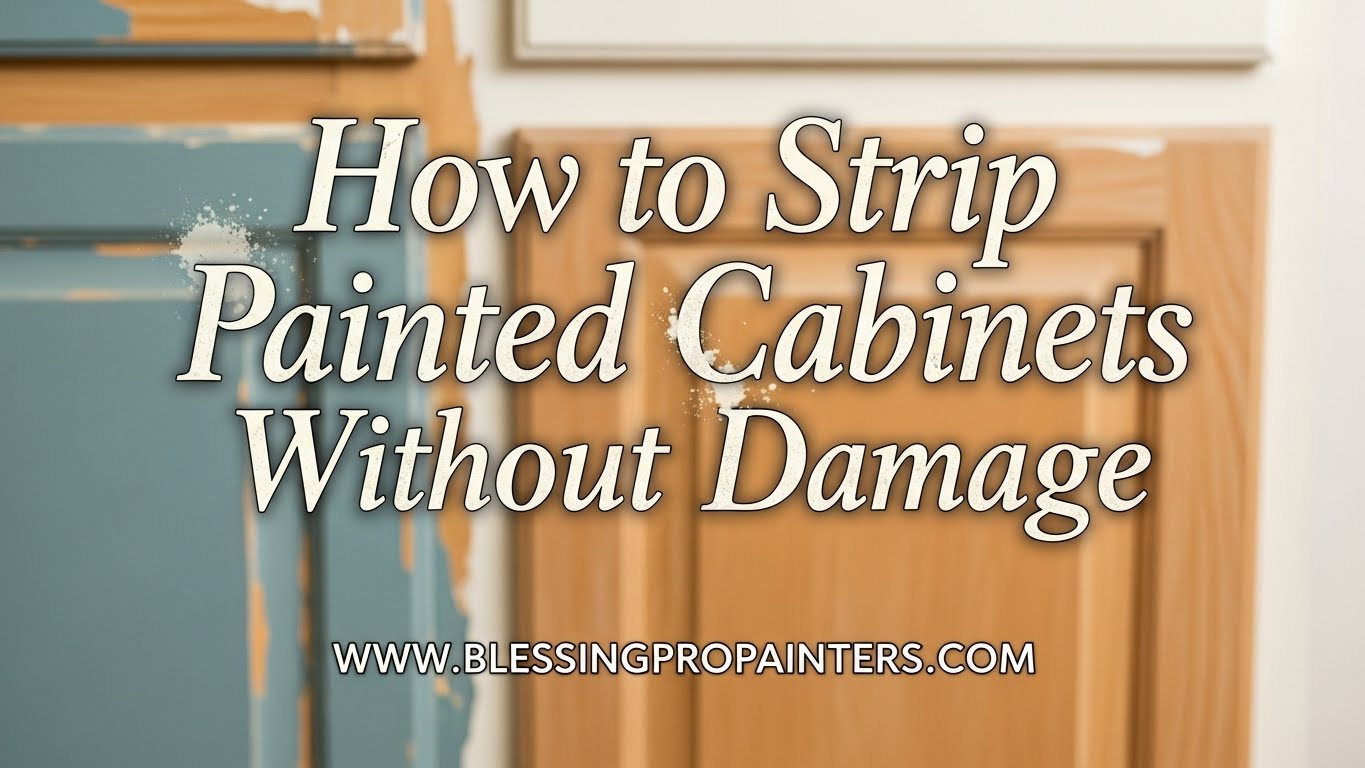
Revamping your kitchen or bathroom can breathe new life into your home. Stripping painted cabinets without causing damage is an art form that, when done correctly, yields stunning results. You might be wondering how to effectively remove layers of paint while preserving the integrity of your cabinets. Here’s a comprehensive guide to achieving a flawless finish while ensuring your cabinets stay intact.
Understanding the Basics of Cabinet Stripping
Before diving into the process, it’s vital to understand the fundamentals of stripping cabinets. The type of material your cabinets are made from can significantly influence the method you choose. Whether they are constructed from solid wood, MDF, or plywood, each material has its requirements for restoration.
Factors to Consider
- Material: Identify whether your cabinets are made from solid wood, plywood, or composite materials.
- Type of Paint: Determine the type of paint used (oil-based or latex) as it affects the removal method.
- Finish: Inspect for any existing finishes that might complicate the stripping process.
Choosing the Right Tools and Materials
The next step is selecting the appropriate tools and materials to ensure a smooth stripping process. Using the correct equipment will minimize damage and maximize efficiency.
Essential Tools
- Paint Stripper: Choose a product that is suitable for your cabinets’ paint type. Gel formulations often cling better to vertical surfaces.
- Scrapers: Utilize plastic or metal scrapers designed for paint removal.
- Sanding Block: A fine-grit sanding block is perfect for smoothing any rough edges after paint removal.
- Protective Gear: Employ gloves, goggles, and a mask to protect yourself from chemical exposure.
Recommended Products
| Product Type | Description |
|---|---|
| Caustic Stripper | Highly effective for stubborn paint but may damage wood if not used carefully. |
| Biodegradable Stripper | Safer for the environment, less abrasive, and typically less harmful to wood. |
The Stripping Process Step-by-Step
Now that you have the right tools and understanding, let’s delve into the step-by-step process of stripping painted cabinets without damage.
Step 1: Prepare the Workspace
Before starting, ensure your workspace is well-ventilated. Remove all items from your cabinets and lay down drop cloths to protect your floors. You’ll want to have everything within arm’s reach for a smooth operation.
Step 2: Apply the Paint Stripper
Following the manufacturer’s instructions, apply the paint stripper in even strokes. Using a paintbrush, apply it generously, ensuring that all areas are covered. For gel formulations, ensure a thick layer is applied evenly.
Step 3: Let it Sit
Allow the stripper to work its magic for the time recommended on the product’s label. Typically, this ranges from 20 minutes to several hours. Watch for the paint to bubble or wrinkle—this is a sign that it’s loosening up.
Step 4: Scrape Off the Paint
Using your scraper, gently start peeling away the paint. Always scrape in the direction of the wood grain to minimize damage. If necessary, reapply the stripper to stubborn areas and repeat the scraping process.
Step 5: Clean the Surface
Once you’ve removed the paint, it’s essential to clean the surface thoroughly. Use a damp sponge or cloth with water and a mild detergent to remove any residue left by the paint stripper. Rinse and dry completely.
Step 6: Sand the Surface
After cleaning, lightly sand the surfaces using a fine-grit sanding block. This will help smooth out any imperfections and prepare the wood for refinishing. Remember to wipe down the surfaces with a clean, dry cloth to remove any dust created from sanding.
Finishing Touches: Preparing for Repainting
Once your cabinets are stripped and sanded, you’ll want to prepare them for repainting or refinishing. Here are some tips to get the best results:
- Prime the Surface: A good-quality primer will help the new paint adhere better and provide a more uniform finish.
- Choose the Right Paint: Depending on your desired finish, select a paint that suits your style, whether it’s chalk, eggshell, or gloss.
- Multiple Coats: Apply multiple thin coats rather than one thick coat to avoid drips and ensure even coverage.
Safety Tips to Keep in Mind
Stripping cabinets involves the use of chemicals and tools that can be hazardous if not handled with care. Here are some safety tips to remember:
- Always work in a well-ventilated area.
- Wear protective gear, including gloves and goggles.
- Store chemical products out of reach of children and pets.
- Dispose of used materials responsibly.
When to Call in the Professionals
While many DIY enthusiasts find success in stripping their painted cabinets, it may not be suitable for everyone. If you’re unsure about the process or feel overwhelmed, it’s wise to consider professional help. Hiring an expert like Blessing Pro Painters ensures the job is done right the first time and saves you from potential mishaps.
Conclusion
Stripping painted cabinets without damage is indeed a meticulous process that, when done correctly, can rejuvenate your home and enhance its aesthetic appeal. By investing time in understanding your material, choosing the right products, and following proper techniques, you’ll achieve stunning results. Whether you decide to embark on this journey alone or seek professional assistance from Blessing Pro Painters, your cabinets will surely shine once again!