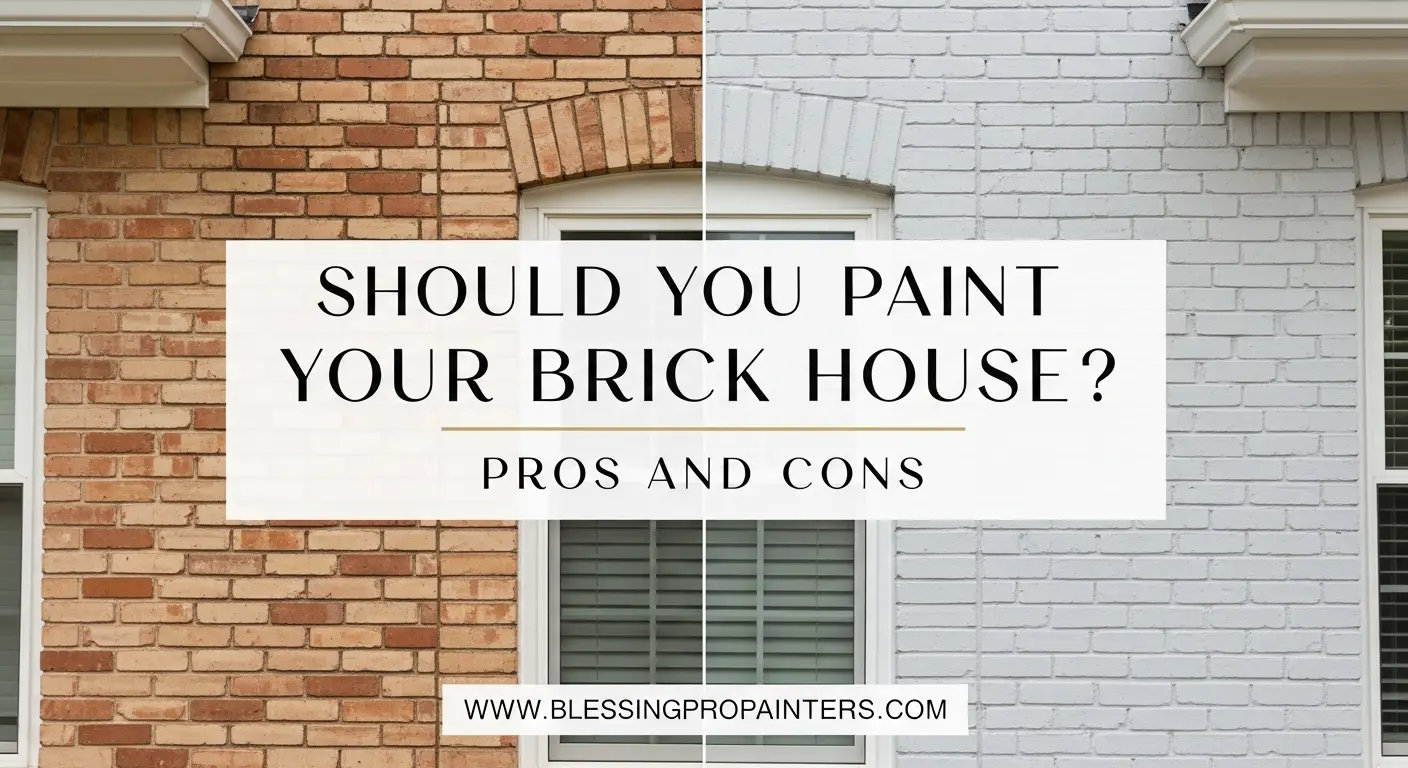
If you’re contemplating whether to paint your brick house, you’re not alone. Many homeowners grapple with the decision, weighing the aesthetic appeal against the maintenance concerns that come with it. Painting a brick house can be a transformative undertaking, but does it always yield the best results? Let’s dive into the pros and cons of painting your brick home and explore all the factors you should consider.
The Allure of Painted Brick Homes
Painted brick can considerably alter the look of your home, offering a fresh and modern update to the traditional textured surface. The choices are endless when it comes to color, allowing homeowners to express their unique style. For instance, a classic white or rich charcoal can evoke elegance, while vibrant colors may add a playful touch. Beyond aesthetics, painting can provide several practical benefits.
Pros of Painting Your Brick House
1. Enhanced Aesthetic Appeal
One of the most compelling reasons to paint your brick house is the enhanced curb appeal. A new coat of paint can make an aging brick façade appear more polished and vibrant, allowing it to stand out in your neighborhood.
2. Protection Against Elements
Brick is generally durable, but it’s not impervious to damage from moisture, mold, or mildew. When you paint over brick, you’re creating an added layer of protection, which can help prolong the lifespan of the material. Paint can also repel water, minimizing absorption and reducing the risk of cracks and spalling.
3. Increased Property Value
In many cases, a well-executed paint job can boost your home’s resale value. Potential buyers often prefer homes that are visually appealing and require less maintenance. A freshly painted brick house can be a significant selling point when you decide to put your property on the market.
4. Easier Maintenance
Brick can accumulate dirt, stains, and grime over time. Painted brick surfaces can be easier to clean and maintain. A simple wash with soap and water may suffice to keep your home looking fresh. In contrast, unpainted brick may require more extensive cleaning methods.
5. Variety of Color Options
With painted brick, the possibilities are virtually endless. You can choose colors that complement the surrounding landscape or ones that align with your personal style. Whether you’re considering soft pastels or bold hues, you can find a shade that represents your vision.
Cons of Painting Your Brick House
1. Potential for Moisture Trapping
While paint can offer protection, it can also trap moisture if not applied correctly. If water gets trapped behind the paint, it might lead to mold and mildew growth, ultimately causing more damage than good. Therefore, proper preparation and using high-quality, breathable paints are crucial.
2. Increased Maintenance Over Time
Interestingly, while painted brick can simplify some maintenance, it also can lead to a need for more frequent repainting. Depending on the climate, your painted surface may require a refresh every 5-10 years, whereas unpainted brick generally lasts longer without needing touch-ups.
3. Irreversibility of the Decision
Once you’ve decided to paint your brick, reverting back to its original state can be a costly and labor-intensive process. The removal of paint from brick can damage the surface, and in some cases, may not be fully possible without leaving behind remnants of the previous paint job.
4. Initial Costs and Investment
Painting a brick house is not a cheap undertaking. The costs for high-quality materials and professional labor can add up quickly. If you’re located in North Wilkesboro or surrounding areas, be sure to consider local prices and get estimates to understand the financial investment better.
5. Potential Impact on Insulation
Brick is naturally good at maintaining temperature both in winter and summer. When painted, depending on the type of paint used, you may inadvertently affect the insulation properties of your brick walls. It’s essential to pick the right materials to help maintain their effectiveness.
Factors to Consider Before Painting
- Climate: If you live in a humid climate, moisture prevention is crucial.
- Condition of Brick: Assess the current state of the brick. If it’s crumbling or has substantial damage, repairs may be needed first.
- Local Regulations: Check if there are any restrictions or guidelines in your community regarding exterior changes to homes.
- Personal Style: What type of aesthetic do you envision for your home? Find inspiration to help you choose the best color.
- Professional Help: If you’re considering a professional service, look into local experts who specialize in brick painting.
How to Prepare Your Brick for Painting
If you decide to go forward with painting your brick house, proper preparation is key to a successful outcome. Here’s a step-by-step guideline:
- Assess the Condition: Look for any structural issues or damage that needs fixing.
- Clean the Surface: Use a power washer or brush to remove dirt, soot, and debris.
- Repair Cracks: Use mortar to fill any gaps or cracks. Allow it to dry completely.
- Choose a Quality Paint: Opt for breathable masonry paint that allows moisture to escape.
- Test Patch: Always test a small area to see how the paint looks on the brick before committing to the entire surface.
Conclusion: Weighing Your Options
Deciding whether to paint your brick house is no trivial matter. The pros, such as enhanced aesthetics and increased property value, are enticing, but they come with potential downsides that shouldn’t be overlooked. Consider your individual situation, including the condition of your brick, local climate, and long-term plans for the property.
For those in North Wilkesboro and surrounding communities, if you choose to go ahead with the painting project, be sure to enlist professionals who know how to handle brick surfaces effectively. A well-done job can transform your home into a true masterpiece. Ready to take the leap? Contact us to learn more about our painting services!
In the end, it’s all about making an informed decision that aligns with your needs and vision. Happy painting!