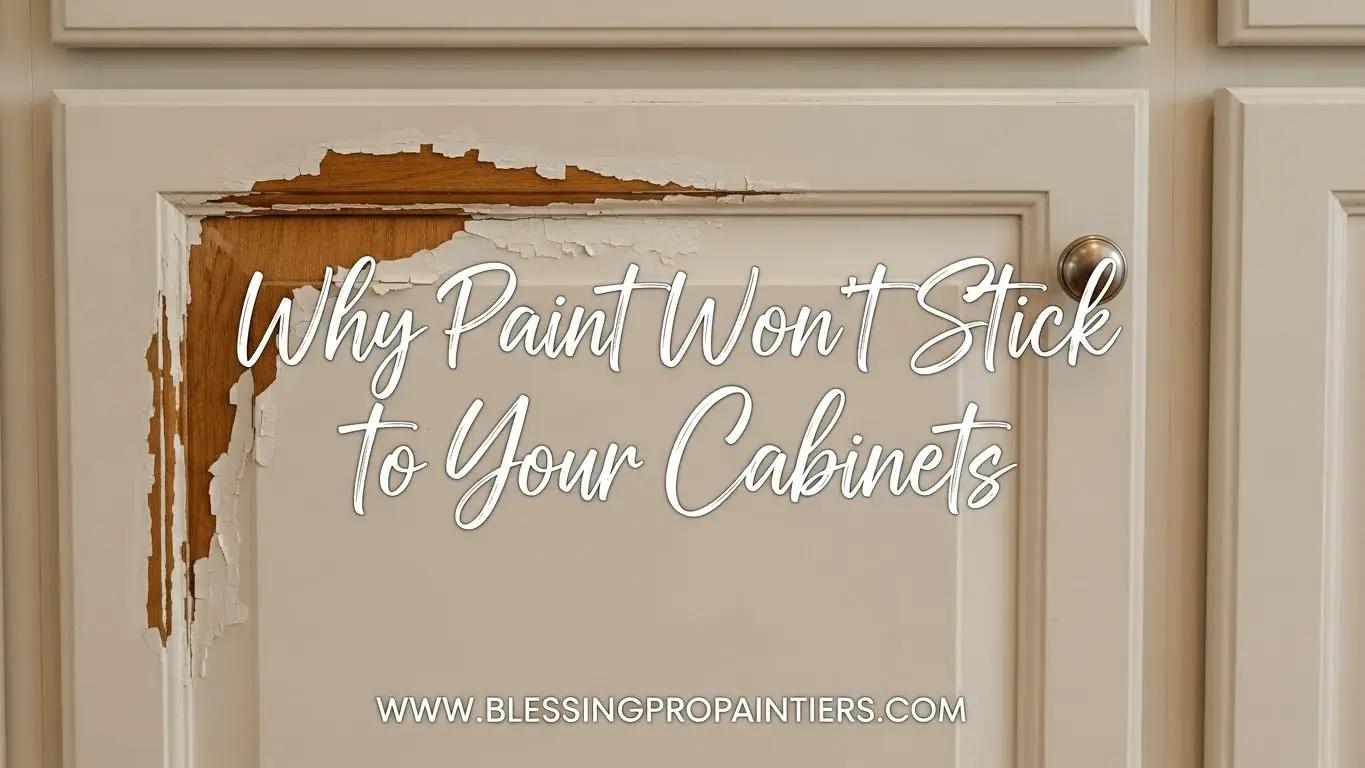
Transforming your kitchen or bathroom with a fresh coat of paint can breathe new life into your cabinets. However, it can be incredibly frustrating when that paint refuses to bond. Whether it’s peeling, blistering, or just not sticking at all, understanding why this happens and how to prevent it is crucial for achieving that polished look you’re aiming for. Let’s dive into the reasons paint often fails to adhere to cabinets and how you can avoid these pitfalls.
Understanding the Basics of Paint Adhesion
Paint adhesion is the fundamental principle that allows the paint to bond with the surface. It’s influenced by several factors, including surface preparation, paint type, environmental conditions, and cabinet materials. If any of these elements are off, you could be looking at an unsightly peel or an uneven finish.
Common Reasons Why Paint Won’t Stick
1. Poor Surface Preparation
One of the most critical aspects of painting cabinets is surface preparation. If the surface is dirty or greasy, paint will have difficulty sticking. In many kitchens and bathrooms, cabinets accumulate grime, cooking oil, or moisture over time.
- Cleaning: A thorough cleaning using soap and water or a degreaser can remove residue.
- Sanding: Sanding the surface creates a rough texture for the paint to adhere to.
2. Incompatible Paint Types
Not all paints are created equal. Using the wrong type of paint—say, a wall paint on kitchen cabinets—may lead to adhesion problems. It’s essential to use a paint specifically designed for cabinetry, which typically has better durability and bonding properties.
3. Incorrect Primer Usage
Primer is your best friend when it comes to painting cabinets. Skipping primer or choosing the wrong kind can lead to paint failure. A high-quality bonding primer helps seal the surface and provides an excellent base for the paint.
4. Temperature and Humidity Levels
Environmental conditions also play a significant role in paint adhesion. Painting in high humidity or extreme cold can prevent the paint from curing properly, leading to potential peeling or bubbling.
5. Old or Flaking Paint
If your cabinets have old paint that is flaking or chipping, it is vital to remove this before applying fresh paint. Any loose material can compromise the new layer, causing it to lift or blister.
Key Steps for Successful Cabinet Painting
1. Thorough Cleaning
Start by cleaning your cabinets with a degreaser. This removes oils and dirt that could hinder adhesion. Make sure to rinse well and let them dry completely.
2. Sanding the Surface
Sanding should be done with a medium-grit sandpaper to create a profile for the paint to grip. After sanding, wipe down the cabinets with a damp cloth to remove dust.
3. Applying Primer
Use a high-quality bonding primer suitable for the material of your cabinets. Make sure to apply an even coat and allow it to dry completely before moving on to paint.
4. Choosing the Right Paint
Opt for paints specifically formulated for cabinetry or furniture. These usually have more robust binding agents that resist chipping and peeling.
5. Controlled Environment
Aim to paint in a controlled environment. Ideal conditions are between 50-85 degrees Fahrenheit with low humidity to ensure the best adhesion.
Tools and Materials You Will Need
| Tool | Purpose |
|---|---|
| Degreaser | To clean and prep surfaces |
| Sanding block or power sander | To create surface texture for adhesion |
| High-quality primer | To seal and prepare the surface |
| Cabinet paint | To achieve a long-lasting finish |
| Brushes and rollers | For applying paint evenly |
Consistency is Key
Once you’ve taken the time to prepare and apply your paint, give it the careful attention it deserves. A second coat may be necessary for an even finish, so don’t be afraid to go the extra mile. Make sure to allow each coat to cure fully before adding another layer. This can prevent issues that lead to paint failure.
Maintaining Your Newly Painted Cabinets
After going through the labor-intensive process of painting your cabinets, the last thing you want is for your work to go to waste. Proper maintenance will help your cabinets’ new look last longer. Here are a few tips:
- Avoid harsh cleaners: Use mild soap and water instead.
- Keep an eye on humidity: Try to maintain a balanced environment.
- Inspect regularly: Look for any signs of wear and tear early.
When to Call the Professionals
Sometimes, despite your best efforts, painting your cabinets can still be a frustrating experience. If you find you’re struggling with adhesion issues, it may be time to consult a professional. Our team at Blessing Pro Painters serves North Wilkesboro and surrounding communities, providing expert advice and quality work to ensure your cabinets look their best.
Conclusion
Understanding why paint won’t stick to your cabinets is the first step in ensuring a successful project. By focusing on surface preparation, using the right materials, and maintaining ideal conditions, you can achieve a stunning finish that lasts. Don’t hesitate to reach out to us at Blessing Pro Painters for any assistance or to tackle the job for you. Happy painting!