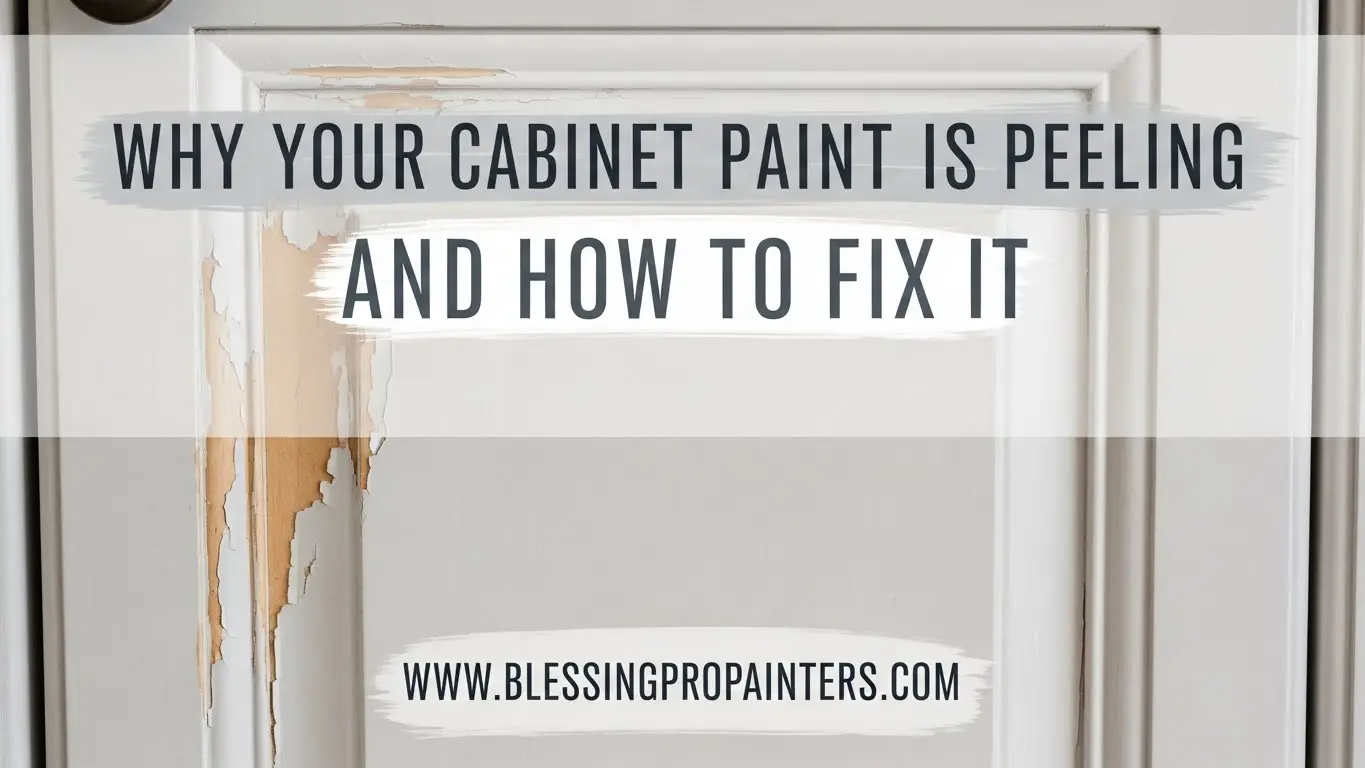
Seeing your beautifully painted cabinets turn into a flaking mess is incredibly frustrating. The sight of peeling paint not only undermines your hard work but also detracts from the overall aesthetic of your kitchen or bathroom. Understanding the reasons behind this common problem can help you prevent it in the future. In this comprehensive guide, we’ll explore why your cabinet paint is peeling and how to fix it effectively.
Common Causes of Peeling Cabinet Paint
1. Poor Surface Preparation
The foundation of any successful paint job starts with proper surface preparation. If the cabinets weren’t cleaned, sanded, or primed adequately, the paint will not adhere correctly. Dirt, grease, and grime can form a barrier between the paint and the wood, leading to premature peeling.
2. Incorrect Paint Type
Using the wrong type of paint can significantly affect adhesion. Latex paint, for example, might not perform well on surfaces that require an oil-based finish. Ensure you’re selecting the right product for your specific cabinet material to gain longevity.
3. Humidity and Temperature
Environmental factors such as humidity and temperature fluctuations can also have a detrimental effect. When you paint in high humidity, the moisture can prevent the paint from curing properly, leading to peeling. Likewise, applying paint in extreme temperatures can hinder adhesion.
4. Lack of Primer
Primer is a game-changer when it comes to achieving that flawless finish. Skipping this crucial step can result in peeling paint as it helps the top layer adhere to the surface more effectively. Primers also create a barrier that prevents stains from bleeding through.
5. Overlapping Layers
Applying paint too thickly or not allowing adequate drying time between coats can lead to bubbles and peeling. Each layer needs to cure properly before adding the next; otherwise, the weight of the top layer can cause the ones beneath to suffer.
Signs Your Cabinet Paint is Peeling
Identifying early signs of peeling can save you from extensive repairs down the line. Here are some indicators that your cabinet paint is starting to fail:
- Visible cracks and flaking paint.
- Rough textures where the paint seems uneven.
- Areas where the paint has started to bubble or lift.
How to Fix Peeling Cabinet Paint
If you’ve already encountered peeling paint on your cabinets, don’t worry! Here’s how you can remedy the situation.
Step 1: Assess the Damage
Before diving into repairs, take an inventory of the damage. Are there small patches, or is it widespread? Understanding the extent of the problem will inform your approach.
Step 2: Remove Peeling Paint
Use a paint scraper or sandpaper to carefully remove the peeling areas. Ensure you do this gently to avoid damaging the underlying wood. A handheld electric sander can make this job easier, especially for larger areas.
Step 3: Clean and Prepare the Surface
Once the peeling paint is removed, clean the surface thoroughly. Use a mixture of soap and water to remove any dust or grime, then let it dry completely. If necessary, sand the entire cabinet surface to promote better adhesion for the new paint.
Why Cleaning is Important
Cleaning ensures that no grease or dust interferes with the new paint. It also helps the primer and paint to adhere better, reducing the chances of future peeling.
Step 4: Apply Primer
Applying a good-quality primer is essential for a long-lasting finish. Choose a primer that suits your cabinet material and the type of paint you plan to use. This layer acts as a bonding agent and reduces issues with peeling.
Step 5: Paint the Cabinets
After allowing the primer to dry fully, it’s time to paint. Use high-quality cabinet paint that is suitable for the environment where your cabinets are situated.
Tips for Painting
- Use a brush for corners and a roller for larger areas for an even finish.
- Follow the manufacturer’s recommendations for drying times between coats.
- Consider applying a clear protective finish for extra durability.
Preventing Future Peeling
Once you’ve repaired the peeling paint, it’s vital to take measures to prevent it from happening again. Here are some tips to keep your cabinets looking pristine:
1. Choose the Right Paint
Selecting high-quality paint specifically formulated for cabinetry can significantly extend the life of your finish.
2. Proper Ventilation
Ensure that your kitchen or bathroom has good ventilation to minimize humidity issues, especially during the painting process.
3. Regular Maintenance
- Clean your cabinets regularly to remove grease that can weaken the paint.
- Perform periodic inspections to catch signs of peeling early.
When to Call in the Professionals
If the peeling is extensive, or if you’re unsure about the repair process, don’t hesitate to call in professionals. Our company specializes in kitchen and cabinet painting and can deliver a flawless finish that lasts. Whether you’re in North Wilkesboro or surrounding communities, we’re here to help you restore your cabinetry to its former glory. For more information, visit our website.
Conclusion
Peeling cabinet paint can be a nuisance, but it’s a problem you can fix. By understanding the reasons behind the peeling and following the steps outlined here, you’ll restore your cabinets to their former beauty. If the task feels overwhelming or the damage is beyond your control, remember that professional assistance is just a call away. Trust us, your cabinets deserve the best care, and so do you.
For expert cabinet painting services in North Wilkesboro, don’t hesitate to reach out to us at Blessing Pro Painters. We’re dedicated to providing quality results that enrich your home environment.